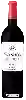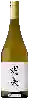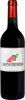
Winery ArtesaReserva
 Red wine



In the mouth this red wine is a powerful with a nice balance between acidity and tannins.
This wine generally goes well with poultry, beef or veal.
Taste structure of the Reserva from the Winery Artesa
Light | Bold | |
Smooth | Tannic | |
Dry | Sweet | |
Soft | Acidic |
In the mouth the Reserva of Winery Artesa in the region of Rioja is a powerful with a nice balance between acidity and tannins.


Food and wine pairings with Reserva
Pairings that work perfectly with Reserva



Original food and wine pairings with Reserva

The Reserva of Winery Artesa matches generally quite well with dishes of beef, lamb or veal such as recipes of beef bourguignon with tomato, lamb chops à la champvallon or veal tagine with preserved lemons and saffron.
Details and technical informations about Winery Artesa's Reserva.
Discover the grape variety: Tempranillo
The black Tempranillo is a grape variety native to Spain. It produces a variety of grape specially used for the elaboration of wine. It is rare to find this grape to eat on our tables. This variety of grape is characterized by medium-sized bunches and medium-sized grapes. The black Tempranillo can be found in several vineyards: South-West, Languedoc & Roussillon, Cognac, Bordeaux, Rhone valley, Provence & Corsica, Loire valley, Savoie & Bugey, Beaujolais.
Last vintages of this wine
The best vintages of Reserva from Winery Artesa are 0
Informations about the Winery Artesa
The Winery Artesa is one of of the world's greatest estates. It offers 6 wines for sale in the of Rioja to come and discover on site or to buy online.

The wine region of Rioja
Rioja, in northern Spain, is best known for its berry-flavored, barrel-aged red wines made from Tempranillo and Garnacha. It is probably the leading wine region in Spain. It is certainly the most famous, rivaling only Jerez. The Vineyards follow the course of the Ebro for a hundred kilometres between the towns of Haro and Alfaro.
The word of the wine: Foaming
Name given to the second alcoholic fermentation that sparkling wines undergo. It gives rise to a release of carbon dioxide in the bottle.