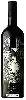
Winery ErreMezcla De La Erre Valle De Guadalupe Baja California
 Red wine


This wine generally goes well with

Details and technical informations about Winery Erre's Mezcla De La Erre Valle De Guadalupe Baja California.
Discover the grape variety: Sciacarello
Elegant, spiced reds with a clear ruby hue reminiscent of pinot noir, fine tannins and fresh acidity, with intense aromas of red fruits (cherry, raspberry), black pepper, spices, Mediterranean herbs (garrigue, maquis), violet and bitter notes on the finish. Also the star of airy Corsican rosés. Absolute star of Ajaccio AOC and pillar of Sartène. Native Corsican variety, the identity signature of Ajaccio.
Last vintages of this wine
The best vintages of Mezcla De La Erre Valle De Guadalupe Baja California from Winery Erre are 2012, 0
Informations about the Winery Erre
The Winery Erre is one of of the world's greatest estates. It offers 8 wines for sale in the of Valle de Guadalupe to come and discover on site or to buy online.

The wine region of Valle de Guadalupe
Mexico's wine capital (~90% of national production) in Baja California: an eclectic Mediterranean palette — structured Cabernet Sauvignon (blackcurrant, cedar), supple Merlot, spicy Zinfandel in reds. Exceptional signature Nebbiolo (LA Cetto, one of the best outside Piedmont) with notes of cherry, rose, tar and firm tannins. Tempranillo, Sangiovese, Syrah complement. Chardonnay and Sauvignon in whites.
The wine region of North
North Israel encompasses Upper and Lower Galilee plus the Golan, vineyards at altitude on limestone soils, volcanic basalt and draining gravels, climate tempered by strong day-night swings. Cabernet Sauvignon, Merlot and Syrah are the signature reds — full-bodied and precise with notes of blackcurrant, black cherry, blackberry, garrigue and a mineral touch, ripe tannins and preserved freshness. Historic Carignan. Taut Chardonnay and lively Sauvignon in whites.
The word of the wine: Brut nature (or ultra brut)
A type of champagne that has not received any dosage liqueur.