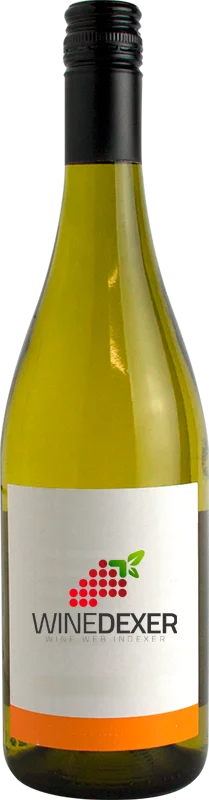
Winery EpilogoSauvignon Blanc - Moscatel
 White wine



This wine generally goes well with vegetarian, rich fish (salmon, tuna etc) or shellfish.

Wine flavors and olphactive analysis


On the nose the Sauvignon Blanc - Moscatel of Winery Epilogo in the region of Castille often reveals types of flavors of tree fruit, citrus fruit or tropical fruit.
Food and wine pairings with Sauvignon Blanc - Moscatel
Pairings that work perfectly with Sauvignon Blanc - Moscatel



Original food and wine pairings with Sauvignon Blanc - Moscatel
The Sauvignon Blanc - Moscatel of Winery Epilogo matches generally quite well with dishes of rich fish (salmon, tuna etc), shellfish or vegetarian such as recipes of tuna and cream cheese pie, seafood pastilla or leek, goat cheese and bacon quiche.
Details and technical informations about Winery Epilogo's Sauvignon Blanc - Moscatel.
Discover the grape variety: St Croix
Deep-coloured, fruity reds with a sustained ruby colour, smooth tannins and a supple, fresh palate; signature aromas of red fruits (cherry, raspberry), black fruits (blackberry) and northern herbal notes. Rustic, accessible style, drink young. Grown in the northern United States (Minnesota, Wisconsin, Vermont) and Canada (Quebec, Ontario) for harsh continental climates. American black hybrid obtained in 1981 by Elmer Swenson.
Last vintages of this wine
The best vintages of Sauvignon Blanc - Moscatel from Winery Epilogo are 2015, 2014, 2017, 2012 and 0.
Informations about the Winery Epilogo
The Winery Epilogo is one of of the world's greatest estates. It offers 8 wines for sale in the of La Mancha to come and discover on site or to buy online.

The wine region of La Mancha
World's largest contiguous wine area (190,000 ha), south of Madrid. Accessible, sunny wines: Tempranillo (here Cencibel) in full quality rise, supple reds with notes of ripe cherry, plum and spices; spicy Syrah, firm Cabernet Sauvignon, round Merlot. Light neutral Airén whites (75% of the vineyard), fresh Macabeo (Viura). Dry, hot continental climate, limestone and clay soils.
The wine region of Castille
Cradle of great Castilian reds, high-altitude plateaus (450-1000 m) along the Duero. Tempranillo king (aka Tinta de Toro, Tinto Fino): powerful, concentrated, structured reds with notes of black cherry, plum, leather, tobacco and spice, firm tannins from altitude and cool nights. Stars: Ribera del Duero (Vega Sicilia, Pingus), fleshy Toro, Bierzo (floral, mineral Mencía). Lively, herbaceous Verdejo whites from Rueda.
The word of the wine: Stamping
Marking of corks, barrels or cases with an iron.