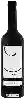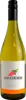
Winery EngelhofWeissburgunder Spätlese Trocken
 White wine
In the mouth this white wine is a with a nice freshness.
This wine generally goes well with rich fish (salmon, tuna etc), shellfish or mild and soft cheese.
Taste structure of the Weissburgunder Spätlese Trocken from the Winery Engelhof
Light | Bold | |
Dry | Sweet | |
Soft | Acidic |
In the mouth the Weissburgunder Spätlese Trocken of Winery Engelhof in the region of Baden is a with a nice freshness.
Food and wine pairings with Weissburgunder Spätlese Trocken
Pairings that work perfectly with Weissburgunder Spätlese Trocken



Original food and wine pairings with Weissburgunder Spätlese Trocken

The Weissburgunder Spätlese Trocken of Winery Engelhof matches generally quite well with dishes of rich fish (salmon, tuna etc), shellfish or mild and soft cheese such as recipes of pasta with tuna and tomato, cataplana with seafood or onion and dutch cheese quiche.
Details and technical informations about Winery Engelhof's Weissburgunder Spätlese Trocken.
Discover the grape variety: Bogazkere
A very old indigenous grape variety grown in Turkey (Anatolia, etc.), most often at high altitudes. Virtually unknown in France and in almost all other wine-producing countries, although attempts have been made in Australia. It is thought to be related to the morek, another Turkish variety.
Informations about the Winery Engelhof
The Winery Engelhof is one of of the world's great estates. It offers 42 wines for sale in the of Baden to come and discover on site or to buy online.

The wine region of Baden
Baden is the southernmost of Germany's 13 official wine regions. It is also the warmest. Its relatively sunny, DryClimate permits the production of good-quality Spätburgunder (Pinot Noir) and ripe, relatively Full-bodied">Full-bodied examples of Grauburgunder (Pinot Gris) and Weissburgunder (Pinot Blanc). These are often made in oaked styles.
The word of the wine: Arching
A stage in the vegetative cycle of the vine that occurs after the leaves have fallen and is characterized by the drying out of the soft shoots, which are transformed into hard shoots by lignification.