The Winery Emilio Moro of Ribera del Duero of Castille-et-Léon | Winedexer
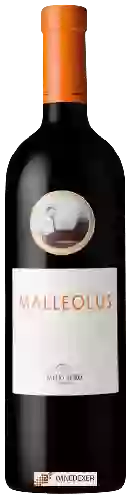
Winery Emilio Moro
The winery offers 17 different wines
4.1
Note - 1Note - 1Note - 1Note - 1Note - 0
Its wines get an average rating of 4.1.
This estate is part of the Bodegas Emilio Moro.
It is ranked in the top 4 of the estates of Castille-et-Léon.
It is located in Ribera del Duero in the region of Castille-et-Léon
Find the Winery Emilio Moro on Facebook and on Twitter

The Winery Emilio Moro is one of the largest wineries in the world. It offers 17 wines for sale in of Ribera del Duero to come and discover on site or to buy online.

Nestled in the beautiful Ribera del Duero valley in Spain, Emilio Moro Estate is a hidden gem rich in winemaking traditions. It is a vast family-run estate, its history spanning three generations, attesting to its commitment to excellence and quality of wine. Spanning over 200 hectares, Emilio Moro Estate is renowned for its cultivation of the Tinta Fina grape, a local variety of Tempranillo, which thrives on gentle slopes and clay-limestone soils. From vine to glass, every step of the process is meticulously managed to ensure the superior quality and distinctive taste of each bottle produced. Visiting Emilio Moro Estate is to immerse oneself in a world of winemaking passion. Prepare to be amazed by the neatly arranged rows of lush vineyards stretching as far as the eye can see, contrasting with the azure-blue waters of the imposing Duero River that borders it. As you stroll through the vineyards, the air is imbued with the sweet scent of ripe grapes, while the old oak trees offer shade and respite from the Spanish sun. The historical cellar is a sight to behold, with its French and American oak barrels, where the wine is aged to perfection. But Emilio Moro Estate is more than just superior quality wine. It is a sustainable project focused on protecting the environment and the terroir. The Estate prioritizes nature-friendly farming methods, minimizing the use of chemicals and maximizing the use of available natural resources. Wine tasting is a sensory adventure, offering a palate of complex flavors with balanced acidity and silky tannins.


Top Winery Emilio Moro wines

Looking for the best Winery Emilio Moro wines in Ribera del Duero among all the wines in the region? Check out our tops of the best red, white or effervescent Winery Emilio Moro wines. Also find some food and wine pairings that may be suitable with the wines from this area. Learn more about the region and the Winery Emilio Moro wines with technical and enological descriptions.

The top red wines of Winery Emilio Moro

Food and wine pairings with a red wine of Winery Emilio Moro

How Winery Emilio Moro wines pair with each other generally quite well with dishes of beef, lamb or game (deer, venison) such as recipes of braised beef with guinness, lamb stew with melting peppers or rabbit with cream sauce anne's way.

Organoleptic analysis of red wines of Winery Emilio Moro

On the nose the red wine of Winery Emilio Moro. often reveals types of flavors of cream, cherry or oaky and sometimes also flavors of smoke, butter or earthy. In the mouth the red wine of Winery Emilio Moro. is a powerful with a nice balance between acidity and tannins.

The best vintages in the red wines of Winery Emilio Moro

  • 1995With an average score of 4.50/5
  • 2004With an average score of 4.41/5
  • 2002With an average score of 4.41/5
  • 2003With an average score of 4.36/5
  • 1985With an average score of 4.30/5
  • 2001With an average score of 4.29/5

The grape varieties most used in the red wines of Winery Emilio Moro.

  • Tempranillo
  • Tinto Fino

Discovering the wine region of Ribera del Duero

Cradle of great modern Spanish reds: Tempranillo (95% of the vineyard, here Tinto Fino) powerful, deep and elegant with notes of black cherry, blackberry, candied plum, leather, cedar and spices, firm tannins and sustained acidity thanks to altitude (720-1100 m). Classification by age: Crianza, Reserva, Gran Reserva. Harsh continental climate, clay-limestone soils. DO since 1982, 19,000 ha in Castilla y León.

Legends: Vega Sicilia, Pingus, Pesquera, Alión.

The top white wines of Winery Emilio Moro

Food and wine pairings with a white wine of Winery Emilio Moro

How Winery Emilio Moro wines pair with each other generally quite well with dishes such as recipes .

Organoleptic analysis of white wines of Winery Emilio Moro

On the nose the white wine of Winery Emilio Moro. often reveals types of flavors of non oak, earth or microbio and sometimes also flavors of vegetal, oak or tree fruit.

The best vintages in the white wines of Winery Emilio Moro

  • 2016With an average score of 4.10/5
  • 2017With an average score of 4.10/5
  • 2023With an average score of 4.00/5
  • 2018With an average score of 3.98/5
  • 0With an average score of 3.92/5
  • 2024With an average score of 3.90/5

The grape varieties most used in the white wines of Winery Emilio Moro.

  • Godello

Discover the grape variety: Tinto Fino

Structured, elegant reds with a deep, dark ruby color, firm, fine tannins and a dense palate, offering intense aromas of black fruits (blackberry, blackcurrant, plum), black cherry, tobacco, leather, spices and balsamic notes. Fine cellaring potential, excelling in American and French oak ageing. Star of Ribera del Duero DO (Vega Sicilia, Pingus, Pesquera) on the Castilian high plateaux. Synonym for tempranillo in Ribera del Duero.

Discover other wineries and winemakers neighboring the Winery Emilio Moro

Planning a wine route in the of Ribera del Duero? Here are the wineries to visit and the winemakers to meet during your trip in search of wines similar to Winery Emilio Moro.

Discover the grape variety: Godello

Structured, aromatic dry whites with a pale golden color, ample palate and preserved acidity, offering refined aromas of yellow fruits (pear, peach, quince), citrus (lemon), white flowers (acacia) and schist mineral notes. Fine barrel-ageing and cellaring potential. Star of great Galician whites: Valdeorras DO, Monterrei DO and Ribeira Sacra DO. Saved from near-extinction in the 1970s, an indigenous Galician variety from north-west Spain.

