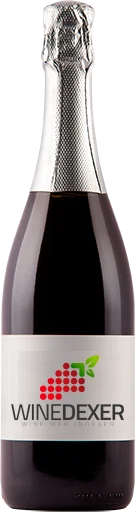
Winery Émilie LauranceBrut
 Sparkling wine



This wine generally goes well with
The Brut of the Winery Émilie Laurance is in the top 10 of wines of Saumur.

Wine flavors and olphactive analysis



On the nose the Brut of Winery Émilie Laurance in the region of Loire Valley often reveals types of flavors of non oak, microbio or oak and sometimes also flavors of tree fruit, citrus fruit.
Details and technical informations about Winery Émilie Laurance's Brut.
Discover the grape variety: Malbo Gentile
Supple, fruity reds with a moderate ruby robe, silky tannins and an airy palate, with signature aromas of red fruits (cherry, strawberry), soft spices and Emilian floral notes. Also made as a taut, refreshing frizzante. Grown mainly in the Modena and Reggio Emilia region, it is the signature of distinctive artisanal Emilian cuvées. Native Italian black grape from Emilia-Romagna.
Last vintages of this wine
The best vintages of Brut from Winery Émilie Laurance are 2019, 0
Informations about the Winery Émilie Laurance
The Winery Émilie Laurance is one of of the world's greatest estates. It offers 4 wines for sale in the of Saumur to come and discover on site or to buy online.

The wine region of Saumur
Loire tuffeau mosaic: Chenin reigns in whites — dry to off-dry with notes of citrus, apple, pear, candied white fruits, white flowers and a chalky mineral touch, taut acidity and a saline finish. Cabernet Franc (Breton) the signature red, airy (violet, raspberry, plum, peppery touch, fine tannins) and a fruity rosé. Renowned traditional-method Saumur Brut. Anjou-Saumur AOC on limestone tuffeau, troglodyte cellars.
The wine region of Loire Valley
Kingdom of lively, dry whites and fine sparklers. Mineral, taut Sauvignon Blanc (Sancerre, Pouilly-Fumé) with citrus and gunflint notes. Multiform Chenin Blanc (Vouvray, Savennières, Layon): straight dry, floral off-dry or noble sweet honey-quince. Saline, iodised Muscadet (Melon B.
The word of the wine: Malolactic fermentation
Called second fermentation or malo for short. It is the degradation (under the effect of bacteria) of the malic acid naturally present in the wine into milder, less aggressive lactic acid. Some producers or wineries refuse this operation by "blocking the malo" (by cold and adding SO2) to keep a maximum of acidity which carries the aromas and accentuates the sensation of freshness.