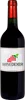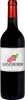
Winery ElfenhofBlaufrankisch Classic
 Red wine


In the mouth this red wine is a powerful with a nice balance between acidity and tannins.
This wine generally goes well with poultry, beef or pasta.
Taste structure of the Blaufrankisch Classic from the Winery Elfenhof
Light | Bold | |
Smooth | Tannic | |
Dry | Sweet | |
Soft | Acidic |
In the mouth the Blaufrankisch Classic of Winery Elfenhof in the region of Weinland is a powerful with a nice balance between acidity and tannins.
Food and wine pairings with Blaufrankisch Classic
Pairings that work perfectly with Blaufrankisch Classic



Original food and wine pairings with Blaufrankisch Classic
The Blaufrankisch Classic of Winery Elfenhof matches generally quite well with dishes of beef, pasta or poultry such as recipes of braciola (southern italy), marco's pasta with bacon or turkey osso buco.
Details and technical informations about Winery Elfenhof's Blaufrankisch Classic.
Discover the grape variety: Gascon
Gascon noir is a grape variety that originated in France. It produces a variety of grape specially used for wine making. It is rare to find this grape to eat on our tables. The Gascon noir can be found cultivated in these vineyards: South-West, Cognac, Bordeaux, Provence & Corsica, Rhone Valley.
Last vintages of this wine
The best vintages of Blaufrankisch Classic from Winery Elfenhof are 0
Informations about the Winery Elfenhof
The Winery Elfenhof is one of wineries to follow in Weinland.. It offers 42 wines for sale in the of Weinland to come and discover on site or to buy online.

The wine region of Weinland
Weinviertel DAC – whose name translates as "wine quarter" – is an appellation in Niederösterreich (Lower Austria). It is by far the largest Districtus Austriae Controllatus wine region in Austria. It was also the first Austrian wine region to be given that title, in 2002, with a DAC Reserve designation added in 2009. The designation applies only to white wines from the Grüner Veltliner Grape variety.
The word of the wine: Shipping (liquor)
In champagne and wines made according to the traditional method, wine is added before corking to fill the void in the bottle created by disgorging. This added wine is often sweetened by sugar incorporated in variable proportions according to the style of wine sought (see dosage). Syn.: liqueur de dosage.