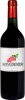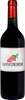
Winery DyckerhoffLe Carrior du Gue Reuilly
 Red wine
This wine generally goes well with

Details and technical informations about Winery Dyckerhoff's Le Carrior du Gue Reuilly.
Discover the grape variety: Merlot khorus
Modern, coloured and structured reds with a sustained purple robe, rounded tannins, an ample palate and preserved acidity; aromas of dark fruits (blackberry, plum) close to Bordeaux Merlot. Productive and resistant. Cultivated in small quantities for sustainably managed vineyards, part of the new generation of mildew- and powdery-mildew-resistant grapes. Recent French black hybrid variety.
Informations about the Winery Dyckerhoff
The Winery Dyckerhoff is one of of the world's greatest estates. It offers 6 wines for sale in the of Reuilly to come and discover on site or to buy online.

The wine region of Reuilly
Confidential AOC of the Centre-Loire (1937 white, 1961 red/rosé): Sauvignon Blanc signature as king white — dry, lively and signature mineral with electric notes of citrus, white flowers and fruits, chiselled acidity and round texture. Pinot Noir as king light fruity red with signature notes of cherry and raspberry, fresh crunchy profile. Pinot Gris as king dry aromatic rosé with vivid signature hues, delicate aperitif wines. Kimmeridgian clay-limestone slopes.
The wine region of Loire Valley
Kingdom of lively, dry whites and fine sparklers. Mineral, taut Sauvignon Blanc (Sancerre, Pouilly-Fumé) with citrus and gunflint notes. Multiform Chenin Blanc (Vouvray, Savennières, Layon): straight dry, floral off-dry or noble sweet honey-quince. Saline, iodised Muscadet (Melon B.
The word of the wine: Cooperative cellar
A collective production structure to which winegrowers belong in order to pool their grapes, transform them into wine and ensure its marketing.