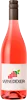
Winery DulongGrenache - Cinsault
 Pink wine


This wine generally goes well with beef and mature and hard cheese.

Food and wine pairings with Grenache - Cinsault
Pairings that work perfectly with Grenache - Cinsault


Original food and wine pairings with Grenache - Cinsault
The Grenache - Cinsault of Winery Dulong matches generally quite well with dishes of beef or mature and hard cheese such as recipes of pasta al forno (baked pasta) or franco-comtois beef.
Details and technical informations about Winery Dulong's Grenache - Cinsault.
Discover the grape variety: Acadie
Fresh, fruity dry whites, with a pale golden robe, a supple palate with preserved acidity on white-fleshed fruit (apple, pear), citrus and white flowers. Thirst-quenching profile to drink young. Cold-hardy, adapted to continental climates of northern North America: grown in Canada (Nova Scotia, Ontario) and the north-eastern United States. White hybrid obtained in 1953 by Ollie Bradt at the Ontario Horticultural Institute (Cascade × Veeblanc).
Informations about the Winery Dulong
The Winery Dulong is one of of the world's great estates. It offers 120 wines for sale in the of Vin de Pays to come and discover on site or to buy online.

The wine region of Vin de Pays
Intermediate category between AOC and Vin de France (renamed IGP in 2009), 27% of national volume. Accessible, expressive wines defined by their grape: opulent Chardonnay, lively Sauvignon, round Merlot, peppery Syrah, floral Viognier with apricot. 76 IGP in France at 3 scales: regional (Pays d'Oc, Méditerranée, Val de Loire), departmental or local. Flexible rules, wide range of permitted grapes, free grape and vintage labelling.
The wine region of Pays d'Oc
The single-grape IGP par excellence: modern, accessible, frank and fruity wines, the popular signature of the Midi. Spicy Syrah reds (pepper, blackberry), round Merlot, structured Cabernet, generous Grenache, supple Cinsault. Crisp, tangy rosés. Opulent Chardonnay whites, lively Sauvignon, floral, apricoty Viognier.
The word of the wine: Wooded
A set of aromas brought about by ageing in barrels (usually oak). This can be pleasant when, in small doses, it brings a touch of spice, roast or vanilla to an already constructed ensemble. When the violent woodiness dominates the wine, it is quickly tiring. Easily identifiable aromatically, it is sought after (to the point of abuse) by the makers of coarse wines. New World manufacturers and, alas, some French winemakers use oak chips to impart the woody taste, which is tantamount to artificial flavoring.