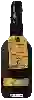
Winery Duck River ValleyCapilla Sixtina Pedro Ximénez Solera
 wine
wine
This wine generally goes well with
The Capilla Sixtina Pedro Ximénez Solera of the Winery Duck River Valley is in the top 0 of wines of Montilla-Moriles.

Details and technical informations about Winery Duck River Valley's Capilla Sixtina Pedro Ximénez Solera.
Discover the grape variety: Tinta Madeira
Light, fruity reds with a clear ruby robe, silky tannins and an airy palate, with signature aromas of red fruits (cherry, raspberry), soft spices and Atlantic island notes. A rare, airy profile. Preserved for its heritage value, it is part of Madeira's native grapes studied for their genetic interest and contributes to confidential artisanal island cuvées. Native Portuguese black grape from Madeira, identical to Tinta da Madeira, very rare.
Informations about the Winery Duck River Valley
The Winery Duck River Valley is one of of the world's greatest estates. It offers 4 wines for sale in the of Montilla-Moriles to come and discover on site or to buy online.

The wine region of Montilla-Moriles
Andalusian DO south of Córdoba, long confused with neighboring Jerez. Pedro Ximénez signature king grape: harvested fully ripe then sun-dried (soleo). Sweet liquoroso signature wines with signature notes of raisin, dried fig, date, caramel, coffee, licorice, dark chocolate and balsamic hint, unctuous long palate — the densest PX dessert wine in the world. Also dry solera versions (Fino, Amontillado, Oloroso).
The wine region of Andalousie
Dry, sun-baked southern Spain, world cradle of fortified and oxidative wines. Sherry from Jerez is the signature: Palomino Fino under a veil of flor yields lively, saline Fino with signature notes of almond, yeast, green apple and a sharp iodine edge; more maritime Manzanilla (Sanlúcar); unveiled Oloroso in grand oxidation (walnut, caramel, tobacco). Pedro Ximénez from Montilla-Moriles: intense dark sweet (fig, raisin, coffee, molasses). Also muscat Málaga.
The word of the wine: Wooded
A set of aromas brought about by ageing in barrels (usually oak). This can be pleasant when, in small doses, it brings a touch of spice, roast or vanilla to an already constructed ensemble. When the violent woodiness dominates the wine, it is quickly tiring. Easily identifiable aromatically, it is sought after (to the point of abuse) by the makers of coarse wines. New World manufacturers and, alas, some French winemakers use oak chips to impart the woody taste, which is tantamount to artificial flavoring.