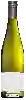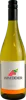
Winery DreissigackerWunderwerk Weissburgunder
 White wine



In the mouth this white wine is a with a nice freshness.
This wine generally goes well with rich fish (salmon, tuna etc), shellfish or mild and soft cheese.

Taste structure of the Wunderwerk Weissburgunder from the Winery Dreissigacker
Light | Bold | |
Dry | Sweet | |
Soft | Acidic |
In the mouth the Wunderwerk Weissburgunder of Winery Dreissigacker in the region of Rheinhessen is a with a nice freshness.
Food and wine pairings with Wunderwerk Weissburgunder
Pairings that work perfectly with Wunderwerk Weissburgunder



Original food and wine pairings with Wunderwerk Weissburgunder

The Wunderwerk Weissburgunder of Winery Dreissigacker matches generally quite well with dishes of rich fish (salmon, tuna etc), shellfish or mild and soft cheese such as recipes of skate wings with capers, spanish seafood paella or pizza tartiflette.
Details and technical informations about Winery Dreissigacker's Wunderwerk Weissburgunder.
Discover the grape variety: Roditis
Fresh, aromatic whites and rosés with a pale pink or golden colour, a supple palate and preserved acidity showing citrus (lemon, grapefruit), green apple, white flowers and Hellenic mineral notes. A refreshing Mediterranean profile. The backbone of traditional Retsina and modern Greek dry whites, defining viticulture in the Peloponnese and Attica.
Last vintages of this wine
The best vintages of Wunderwerk Weissburgunder from Winery Dreissigacker are 0, 2017
Informations about the Winery Dreissigacker
The Winery Dreissigacker is one of of the world's great estates. It offers 98 wines for sale in the of Rheinhessen to come and discover on site or to buy online.

The wine region of Rheinhessen
71% white region: Riesling is king (5,000 ha), dry to off-dry, ripe yellow fruit, apple, citrus and fine saline minerality. Supple, floral Müller-Thurgau for everyday, the world's largest Silvaner plantation with herbaceous, straight notes. Historic cradle of off-sweet Liebfraumilch. Some supple reds (Dornfelder, Spätburgunder).
The word of the wine: Tertiary aromas
Aromas resulting from the aging of the wine in the bottle. The aromas evolve with time, from fresh fruitiness to notes of stewed, candied or dried fruit, to aromas of venison or undergrowth.