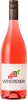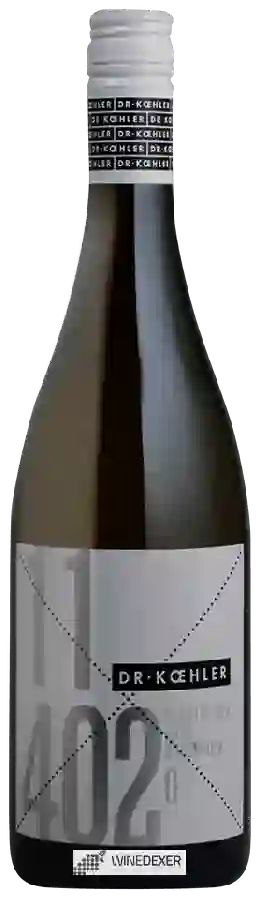
Winery Dr. KoehlerBechtheimer Grauburgunder Trocken
 White wine


In the mouth this white wine is a .
This wine generally goes well with pork, cured meat or mushrooms.

Taste structure of the Bechtheimer Grauburgunder Trocken from the Winery Dr. Koehler
Light | Bold | |
Dry | Sweet | |
Soft | Acidic |
In the mouth the Bechtheimer Grauburgunder Trocken of Winery Dr. Koehler in the region of Rheinhessen is a .
Food and wine pairings with Bechtheimer Grauburgunder Trocken
Pairings that work perfectly with Bechtheimer Grauburgunder Trocken


Original food and wine pairings with Bechtheimer Grauburgunder Trocken

The Bechtheimer Grauburgunder Trocken of Winery Dr. Koehler matches generally quite well with dishes of pork, spicy food or mushrooms such as recipes of braised (green) cabbage, monkfish armorican style or very simple queen pizza.
Details and technical informations about Winery Dr. Koehler's Bechtheimer Grauburgunder Trocken.
Discover the grape variety: Verdiso
Crisp, taut dry whites with a pale golden colour, a lean, cutting acidity and aromas of lime, green apple, white flowers and pre-Alpine mineral notes. Also made as fresh sparkling wines (Prosecco). Often blended with Glera, it contributes to the identity of Conegliano Valdobbiadene DOCG and Prosecco DOC.
Last vintages of this wine
The best vintages of Bechtheimer Grauburgunder Trocken from Winery Dr. Koehler are 0
Informations about the Winery Dr. Koehler
The Winery Dr. Koehler is one of of the world's great estates. It offers 70 wines for sale in the of Rheinhessen to come and discover on site or to buy online.

The wine region of Rheinhessen
71% white region: Riesling is king (5,000 ha), dry to off-dry, ripe yellow fruit, apple, citrus and fine saline minerality. Supple, floral Müller-Thurgau for everyday, the world's largest Silvaner plantation with herbaceous, straight notes. Historic cradle of off-sweet Liebfraumilch. Some supple reds (Dornfelder, Spätburgunder).
The word of the wine: Disgorging (champagne)
This is the evacuation of the deposit formed by the yeasts during the second fermentation in the bottle, by opening the bottle. The missing volume is completed with the liqueur de dosage - a mixture of wine and cane sugar - before the final cork is placed. For some years now, some producers have been replacing this sugar with rectified concentrated musts (concentrated grape juice) which give excellent results. A too recent dosage (less than three months) harms the gustatory harmony of the champagne.