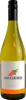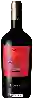
Winery Donna FrancescaNero d'Avola
 Red wine



In the mouth this red wine is a powerful.
This wine generally goes well with beef, game (deer, venison) or lamb.

Taste structure of the Nero d'Avola from the Winery Donna Francesca
Light | Bold | |
Smooth | Tannic | |
Dry | Sweet | |
Soft | Acidic |
In the mouth the Nero d'Avola of Winery Donna Francesca in the region of Veneto is a powerful.
Food and wine pairings with Nero d'Avola
Pairings that work perfectly with Nero d'Avola



Original food and wine pairings with Nero d'Avola

The Nero d'Avola of Winery Donna Francesca matches generally quite well with dishes of beef, pasta or lamb such as recipes of oxtail confit in red wine, shrimp marinade or lamb chops with figs and honey.
Details and technical informations about Winery Donna Francesca's Nero d'Avola.
Discover the grape variety: Nero d'Avola
Full-bodied, warm reds with deep colour and generous alcohol, with aromas of blackberry, black cherry jam, plum, liquorice, chocolate and Mediterranean spice. Ripe tannins and a broad, sunny finish. The star of Sicily (Nero d'Avola Sicilia DOC, Cerasuolo di Vittoria DOCG blended with Frappato, Eloro DOC). Native Sicilian variety, also called Calabrese, the most planted on the island.
Last vintages of this wine
The best vintages of Nero d'Avola from Winery Donna Francesca are 0
Informations about the Winery Donna Francesca
The Winery Donna Francesca is one of of the world's greatest estates. It offers 10 wines for sale in the of Veneto to come and discover on site or to buy online.

The wine region of Veneto
World star of Prosecco: fresh, light Glera sparklers with notes of pear, green apple and white flowers, fruity, convivial bubbles. Veronese reds from Corvina and Rondinella: light, crisp Bardolino, fruity Valpolicella, opulent, concentrated Amarone DOCG (black cherry, chocolate, raisin) from dried grapes. Mineral, almondy Soave (Garganega) whites, fresh Pinot Grigio. 97,500 ha, Italy's largest production.
The word of the wine: Chaptalization
The addition of sugar at the time of fermentation of the must, an ancient practice, but theorized by Jean-Antoine Chaptal at the dawn of the 19th century. The sugar is transformed into alcohol and allows the natural degree of the wine to be raised in a weak or cold year, or - more questionably - when the winegrower has a harvest that is too large to obtain good maturity.