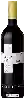
Bodega Don RosendoSemi Sweet Merlot
 Red wine
In the mouth this red wine is a powerful.
This wine generally goes well with beef, veal or lamb.

Taste structure of the Semi Sweet Merlot from the Bodega Don Rosendo
Light | Bold | |
Smooth | Tannic | |
Dry | Sweet | |
Soft | Acidic |
In the mouth the Semi Sweet Merlot of Bodega Don Rosendo in the region of Mendoza is a powerful.
Food and wine pairings with Semi Sweet Merlot
Pairings that work perfectly with Semi Sweet Merlot



Original food and wine pairings with Semi Sweet Merlot
The Semi Sweet Merlot of Bodega Don Rosendo matches generally quite well with dishes of beef, lamb or veal such as recipes of beef colombo bourguignon style, tajine of merguez and potatoes or veal roast casserole.
Details and technical informations about Bodega Don Rosendo's Semi Sweet Merlot.
Discover the grape variety: Merlot
Round and fleshy reds with a velvety texture, showing aromas of ripe plum, black cherry, cocoa and truffle notes with age. Supple tannins, generous alcohol, indulgent finish. Pillar of Libournais (Pomerol with Pétrus, Saint-Émilion with Cheval Blanc and Ausone) and signature of Super Tuscans, Italian Wales and Washington State. A cross of Cabernet Franc × Magdeleine Noire, France's most planted red variety.
Informations about the Bodega Don Rosendo
The Bodega Don Rosendo is one of of the world's great estates. It offers 21 wines for sale in the of Mendoza to come and discover on site or to buy online.

The wine region of Mendoza
World capital of Malbec: powerful, deep reds with blackberry, plum, violet and sweet spice, round tannins and vivid fruit. Also firm Cabernet Sauvignon, supple, juicy Bonarda, aromatic floral white Torrontés. High-altitude vineyards (800-1,700 m) at the foot of the Andes, dry continental climate irrigated by glacial waters. ~80% of Argentine output across 150,000 ha.
The word of the wine: Cuvée (champagne)
Juice harvested during the first pressing. The term "cuvée" is also used to describe the final blend of wines of a given quality. Tête de cuvée : the first juice to come out during the first pressing.