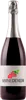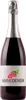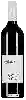
Domaine SarrabelleGaillac Rouge
 Red wine


This wine generally goes well with beef, lamb or mature and hard cheese.

Food and wine pairings with Gaillac Rouge
Pairings that work perfectly with Gaillac Rouge



Original food and wine pairings with Gaillac Rouge

The Gaillac Rouge of Domaine Sarrabelle matches generally quite well with dishes of beef, lamb or spicy food such as recipes of monkfish tagine, shoulder of lamb boulangère or currywurst.
Details and technical informations about Domaine Sarrabelle's Gaillac Rouge.
Discover the grape variety: Duras
Structured, spicy reds with a sustained ruby robe, firm tannins and fresh acidity, with aromas of dark fruit (blackberry, blackcurrant), black pepper, spice, liquorice and balsamic notes. Dense palate, good ageing potential. Star of Gaillac AOC on the Tarn terraces (minimum 40% in reds, blended with Braucol and Syrah). Also in IGP Côtes du Tarn. Autochthonous variety of the French South-West, unrelated to the town of Duras (Lot-et-Garonne).
Last vintages of this wine

The best vintages of Gaillac Rouge from Domaine Sarrabelle are 2014, 2015
Informations about the Domaine Sarrabelle
The Domaine Sarrabelle is one of of the world's great estates. It offers 26 wines for sale in the of Gaillac to come and discover on site or to buy online.

The wine region of Gaillac
Millennia-old South-West mosaic (banks of the Tarn) with rare native grapes: Mauzac reigns in whites — dry, pearled or sweet with notes of apple, pear, honey and white flowers, signature freshness. Ample Loin-de-l'œil and Ondenc complement. Duras in spicy, peppery reds, fleshy Braucol (Fer Servadou) (blackcurrant, raspberry, blackberry, structured tannins) and Syrah in blends. Iconic ancestral-method Gaillac sparkling.
The wine region of South West
French mosaic of strong identities south of Bordeaux. Cahors and its Malbec ("black wine"): deep reds with notes of blackberry, plum, violet, tobacco and cocoa, firm tannins. Madiran and its dense, age-worthy Tannat. Jurançon whites: golden sweet (apricot, honey, pineapple) and lively dry from Petit Manseng.
The word of the wine: Phylloxera
Aphid that came from America and ravaged European vineyards at the end of the 19th century. It lives on the roots of the vine, from which it pumps the sap. The only vines capable of resisting it had to be imported from the United States, and then grafted onto their root system the wood of traditional French grape varieties. Today, grafted vines are always planted.