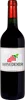
Domaine SalvatGrenat Rivesaltes Doux Naturel
 Natural sweet wine



This wine generally goes well with beef and mature and hard cheese.
Food and wine pairings with Grenat Rivesaltes Doux Naturel
Pairings that work perfectly with Grenat Rivesaltes Doux Naturel


Original food and wine pairings with Grenat Rivesaltes Doux Naturel
The Grenat Rivesaltes Doux Naturel of Domaine Salvat matches generally quite well with dishes of beef or mature and hard cheese such as recipes of beef tongue with vegetables or mini ham and cheese cakes.
Details and technical informations about Domaine Salvat's Grenat Rivesaltes Doux Naturel.
Discover the grape variety: Muscat Ottonel
Muscat Ottonel has the character of a grape variety with a distant lineage. It was first obtained in 1839 and continues to be planted in nearly 2,000 hectares of vineyards around the world. It shows good vigour and promises satisfactory production, of the order of 6 kilos per vine. The bunches, which are rather loose, are quite large, bearing berries with a strong character. A pleasantly musky flavour and a lot of juice characterize the pulp, protected by a medium skin. The bluish-black skin contributes to the exceptional beauty of the vineyards at harvest time. The size of the ellipsoidal berries is another argument in favor of Muscat Ottonel, which is also known as Muscat Ottone or Muscadet Ottonel. Resin, toast, honey and wild flowers are all present in the wines made from this variety. If the foliage, which turns yellow in autumn, is one of its charms, remember to protect the fruit from grey rot and coulure.
Last vintages of this wine
The best vintages of Grenat Rivesaltes Doux Naturel from Domaine Salvat are 2008
Informations about the Domaine Salvat
The Domaine Salvat is one of of the world's greatest estates. It offers 10 wines for sale in the of Rivesaltes to come and discover on site or to buy online.

The wine region of Rivesaltes
Rivesaltes is an appellation for the historic Sweet wines of eastern Roussillon, in the DeepSouth of France. The natural sweet wines produced in this region have been revered since at least the 14th century. The technique used to make them is one of many techniques used for sweet wines. Unlike botrytized wines or ice wines, natural sweet wines are made by Mutage, a process that involves stopping the Fermentation of the must while a high level of natural sweetness remains.
The wine region of Languedoc-Roussillon
Languedoc (formerly Coteaux du Languedoc) is a key appellation used in the Languedoc-Roussillon wine region of southern France. It covers Dry table wines of all three colors (red, white and rosé) from the entire region, but leaves Sweet and Sparkling wines to other more specialized appellations. About 75% of all Languedoc wines are red, with the remaining 25% split roughly down the middle between whites and rosés. The appellation covers most of the Languedoc region and almost a third of all the vineyards in France.
The word of the wine: Magnum
Bottle with a capacity of 1.5 litres.