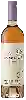
Domaine Pu ShangRed
 Red wine


This wine is a blend of 2 varietals which are the Cabernet-Sauvignon and the Marselan.
This wine generally goes well with poultry, beef or lamb.
The Red of the Domaine Pu Shang is in the top 60 of wines of Ningxia.

Wine flavors and olphactive analysis


On the nose the Red of Domaine Pu Shang in the region of Ningxia often reveals types of flavors of non oak, oak.
Food and wine pairings with Red
Pairings that work perfectly with Red



Original food and wine pairings with Red

The Red of Domaine Pu Shang matches generally quite well with dishes of beef, lamb or spicy food such as recipes of korean bibimbap, grilled lamb shoulder with spices and honey or carry camaron (gambas) from reunion.
Details and technical informations about Domaine Pu Shang's Red.
Discover the grape variety: Cabernet-Sauvignon
Structured, tannic reds, deeply coloured, with aromas of blackcurrant, blackberry, cedar, tobacco and graphite, underpinned by firm acidity and fine ageing potential. Cornerstone of the great Médoc estates (Pauillac, Saint-Estèphe, Saint-Julien) and signature of Napa Valley, Coonawarra and Maipo. The world's most planted red variety, a natural cross of Cabernet Franc x Sauvignon Blanc born in Bordeaux.
Last vintages of this wine
The best vintages of Red from Domaine Pu Shang are 0
Informations about the Domaine Pu Shang
The Domaine Pu Shang is one of of the world's greatest estates. It offers 2 wines for sale in the of Ningxia to come and discover on site or to buy online.

The wine region of Ningxia
Rising star of Chinese viticulture at the foot of the Helan Mountains, Yellow River plain, nicknamed "Bordeaux of the East". Signature Cabernet Sauvignon as king red: structured and deep with notes of cassis, blackberry, black cherry, cedar, tobacco and spices, firm tannins and long palate. Supple Cabernet Gernischt (parent of Carmenère), round Merlot (plum, cocoa). Whites: ample Chardonnay (pear, butter, flowers).
The word of the wine: Raw
A term whose meaning varies according to the region (terroir or estate), but which everywhere contains the idea of identifying a wine with a specific place of production.