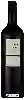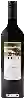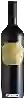
Domaine Preignes le Vieux - Maison Robert VicGolden Porte Victory Cuvée Particulière Corbières
 Red wine
This wine generally goes well with beef, veal or pasta.
Food and wine pairings with Golden Porte Victory Cuvée Particulière Corbières
Pairings that work perfectly with Golden Porte Victory Cuvée Particulière Corbières



Original food and wine pairings with Golden Porte Victory Cuvée Particulière Corbières
The Golden Porte Victory Cuvée Particulière Corbières of Domaine Preignes le Vieux - Maison Robert Vic matches generally quite well with dishes of beef, pasta or veal such as recipes of stuffed zucchini, spaghetti with courgettes and italian ham or fillet of beef with morels.
Details and technical informations about Domaine Preignes le Vieux - Maison Robert Vic's Golden Porte Victory Cuvée Particulière Corbières.
Discover the grape variety: Vaccareze
Informations about the Domaine Preignes le Vieux - Maison Robert Vic
The Domaine Preignes le Vieux - Maison Robert Vic is one of wineries to follow in Corbières.. It offers 188 wines for sale in the of Corbières to come and discover on site or to buy online.

The wine region of Corbières
Largest AOC in Languedoc, 95% Mediterranean reds. Signature old-vine Carignan (up to 60%): fleshy reds with black fruit, garrigue, black olive, spice and tight tannins. Blended with round, sunny Grenache, peppery Syrah, dense Mourvèdre and supple Cinsault. A few fresh rosés and whites (Grenache Blanc, Roussanne).
The wine region of Languedoc-Roussillon
Largest single French vineyard, dominated by sunny, generous reds. Spicy Syrah, candied Grenache (ripe fruit, garrigue), structured Carignan, deep Mourvèdre, supple Cinsault. Stars: structured Corbières, Minervois, Faugères, Saint-Chinian; round Côtes-du-Roussillon. Legendary vins doux naturels: Banyuls and Maury (fortified Grenache) with notes of cocoa, fig, prune.
The word of the wine: Performance
Quantity of grapes harvested per hectare. In AOC, the average yield is limited on the proposal of the appellation syndicate, validated by the Inao. The use of high-performance plant material (especially clones) and better control of vine diseases have increased yields. This is not without consequences on the quality of the wines (dilution) and on the state of the market (too much wine). We must not over-simplify: low yields are not synonymous with quality, and it is often in years with generous harvests that we find the greatest vintages (1982 and 1986 in Bordeaux, 1996 in Champagne, 1990 and 2005 in Burgundy...).