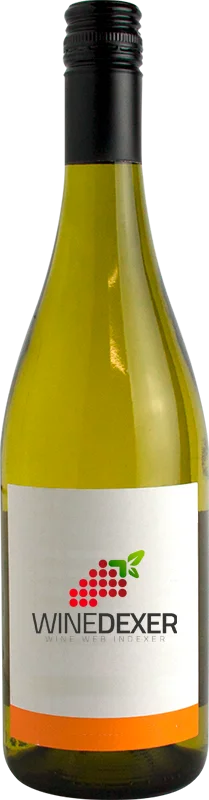
Domaine MatignonAnjou Blanc
 White wine


In the mouth this white wine is a with a nice freshness.
This wine generally goes well with vegetarian, poultry or rich fish (salmon, tuna etc).

Taste structure of the Anjou Blanc from the Domaine Matignon
Light | Bold | |
Dry | Sweet | |
Soft | Acidic |
In the mouth the Anjou Blanc of Domaine Matignon in the region of Loire Valley is a with a nice freshness.
Food and wine pairings with Anjou Blanc
Pairings that work perfectly with Anjou Blanc



Original food and wine pairings with Anjou Blanc

The Anjou Blanc of Domaine Matignon matches generally quite well with dishes of rich fish (salmon, tuna etc), vegetarian or poultry such as recipes of italian tabbouleh, leek, goat cheese and bacon quiche or chicken in red wine.
Details and technical informations about Domaine Matignon's Anjou Blanc.
Discover the grape variety: Chenin blanc
Chameleon whites with taut acidity, ranging from mineral dry (Savennières, Vouvray sec) to off-dry and medium-sweet (Vouvray, Montlouis), sumptuous botrytised sweet (Quarts-de-Chaume, Bonnezeaux, Coteaux du Layon) and brilliant sparkling (Crémant de Loire, Vouvray brut). Aromas of quince, apple, honey, white flowers, beeswax and flint. An Anjou variety, also star of South Africa's Western Cape.
Informations about the Domaine Matignon
The Domaine Matignon is one of of the world's great estates. It offers 28 wines for sale in the of Loire Valley to come and discover on site or to buy online.

The wine region of Loire Valley
Kingdom of lively, dry whites and fine sparklers. Mineral, taut Sauvignon Blanc (Sancerre, Pouilly-Fumé) with citrus and gunflint notes. Multiform Chenin Blanc (Vouvray, Savennières, Layon): straight dry, floral off-dry or noble sweet honey-quince. Saline, iodised Muscadet (Melon B.
The word of the wine: Gout (wine of)
In red wine making, the wine comes directly from the vat after devatting (see press).