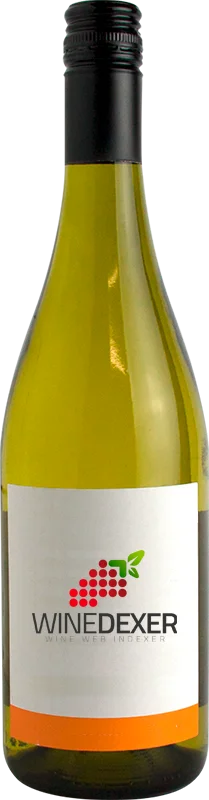
Domaine Mas du PontLes Crès Muscat Sec
 White wine
This wine generally goes well with vegetarian, poultry or lean fish.

Food and wine pairings with Les Crès Muscat Sec
Pairings that work perfectly with Les Crès Muscat Sec



Original food and wine pairings with Les Crès Muscat Sec


The Les Crès Muscat Sec of Domaine Mas du Pont matches generally quite well with dishes of pasta, vegetarian or poultry such as recipes of spinach cannelloni, leek, goat cheese and bacon quiche or old-fashioned turkey fillets.
Details and technical informations about Domaine Mas du Pont's Les Crès Muscat Sec.
Discover the grape variety: Fantasy seedless
Table grape with long bunches and elongated seedless (pipless) dark violet berries, thin skin and crunchy flesh with a pleasant sweet flavour. Early ripening. Very rarely vinified. Grown in California, Australia, Chile and South Africa for export markets, prized for its attractive appearance, pleasant flavour and good shelf life. American seedless black table grape variety, obtained in California by crossbreeding for fresh consumption.
Informations about the Domaine Mas du Pont
The Domaine Mas du Pont is one of of the world's great estates. It offers 14 wines for sale in the of Pays d'Oc to come and discover on site or to buy online.

The wine region of Pays d'Oc
The single-grape IGP par excellence: modern, accessible, frank and fruity wines, the popular signature of the Midi. Spicy Syrah reds (pepper, blackberry), round Merlot, structured Cabernet, generous Grenache, supple Cinsault. Crisp, tangy rosés. Opulent Chardonnay whites, lively Sauvignon, floral, apricoty Viognier.
The word of the wine: Smoked
Qualifier of smells close to those of smoked food, characteristic, among other things, of the Sauvignon grape variety; hence the name of smoked white given to this variety.