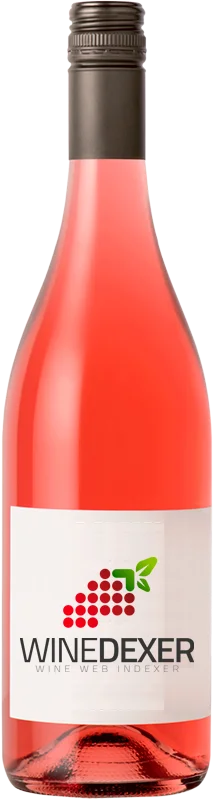
Domaine LaurensCuvée Eglantine
 Pink wine



This wine generally goes well with poultry, beef or mature and hard cheese.

Food and wine pairings with Cuvée Eglantine
Pairings that work perfectly with Cuvée Eglantine



Original food and wine pairings with Cuvée Eglantine

The Cuvée Eglantine of Domaine Laurens matches generally quite well with dishes of beef, spicy food or mature and hard cheese such as recipes of tanjia, mahi mahi curry with coconut milk or parmesan squash with cumin.
Details and technical informations about Domaine Laurens's Cuvée Eglantine.
Discover the grape variety: Malbec
Deep, velvety reds with an intense purple colour, showing aromas of blackberry, black plum, violet, cocoa and gentle spice. Round tannins, fleshy palate, peppery length. Star of Cahors AOC (Côt, Auxerrois) in France and the absolute signature of Mendoza, Argentina (Uco Valley, Luján de Cuyo). A French South-West variety that became the Argentine emblem after its post-phylloxera decline.
Informations about the Domaine Laurens
The Domaine Laurens is one of of the world's greatest estates. It offers 15 wines for sale in the of Marcillac to come and discover on site or to buy online.

The wine region of Marcillac
Aveyron AOC in the Rouergue (200 ha north-west of Rodez, iron-oxide-rich "rougiers", clay-limestone soils, continental/oceanic/Mediterranean crossroads): Fer Servadou (local Mansois) is king in reds (≥80%, often 100%) — powerfully aromatic and spicy with red and black fruits, peppery and herbaceous notes, distinctive powerful tannins; the grape grown almost exclusively here. Cabernet Sauvignon and Merlot as complements. AOC 1990.
The wine region of South West
French mosaic of strong identities south of Bordeaux. Cahors and its Malbec ("black wine"): deep reds with notes of blackberry, plum, violet, tobacco and cocoa, firm tannins. Madiran and its dense, age-worthy Tannat. Jurançon whites: golden sweet (apricot, honey, pineapple) and lively dry from Petit Manseng.
The word of the wine: Malic (acid)
An acid that occurs naturally in many wines and is transformed into lactic acid during malolactic fermentation.