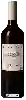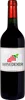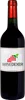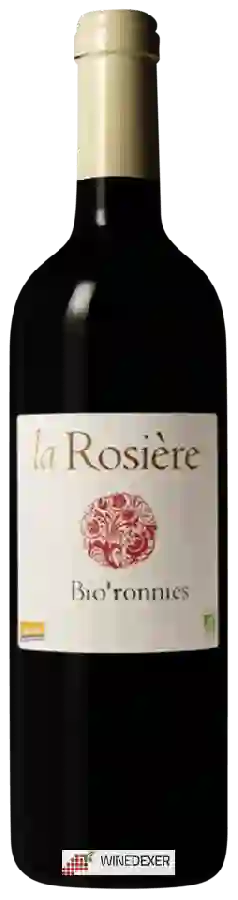
Domaine la RosièreBio Ronnies
 Red wine


This wine generally goes well with pork, poultry or rich fish (salmon, tuna etc).
The Bio Ronnies of the Domaine la Rosière is in the top 10 of wines of Rhône méridional.

Food and wine pairings with Bio Ronnies
Pairings that work perfectly with Bio Ronnies



Original food and wine pairings with Bio Ronnies

The Bio Ronnies of Domaine la Rosière matches generally quite well with dishes of pork, rich fish (salmon, tuna etc) or shellfish such as recipes of stuffed tomatoes, pan-fried salmon papillote or fish and seafood gratin.
Details and technical informations about Domaine la Rosière's Bio Ronnies.
Discover the grape variety: Mourvèdre
Powerful, deep reds with firm tannins and dense texture, showing aromas of blackberry, leather, garrigue, black pepper, liquorice and animal notes (game, forest floor) with age. Star of Bandol AOC as a single variety and pillar of Châteauneuf-du-Pape, Gigondas and Costières blends. Also in GSM in Languedoc and Australia. A late-ripening variety of Spanish origin (Mataró/Monastrell).
Last vintages of this wine
The best vintages of Bio Ronnies from Domaine la Rosière are 2015
Informations about the Domaine la Rosière
The Domaine la Rosière is one of of the world's greatest estates. It offers 3 wines for sale in the of Rhône méridional to come and discover on site or to buy online.

The wine region of Rhône méridional
Sunny, Mediterranean southern Rhône, kingdom of Grenache Noir. Fleshy, generous reds with signature notes of candied red and black fruits (cherry, plum), garrigue (thyme, rosemary), pepper and sweet spices, round tannins and an opulent palate. Blended with peppery Syrah, deep Mourvèdre, supple Cinsault. Flagship crus: Châteauneuf-du-Pape on rolled pebbles (powerful, age-worthy), Gigondas, dense Vacqueyras, fleshy Tavel rosé, sweet muscat Beaumes-de-Venise.
The wine region of Rhone Valley
France's 2nd-largest AOC vineyard, two complementary worlds. Northern: pure Syrah in signature reds (Côte-Rôtie, Hermitage, Cornas), deep and peppery with blackberry, violet, black olive and smoked bacon notes, exceptional ageing. Opulent Viognier whites (Condrieu, apricot, flowers) and ample Marsanne-Roussanne. Southern: sun-soaked Grenache blends at Châteauneuf, Gigondas, Vacqueyras (candied fruit, garrigue).
The word of the wine: Second fermentation
In the making of champagne, fermentation of the base wine to which is added the liqueur de tirage and which takes place in the bottle. This second fermentation produces the carbon dioxide, and therefore the bubbles that make up the effervescence of the wine.