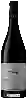
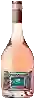
Domaine de la BastideReserve Rosé
 Pink wine



This wine generally goes well with beef, lamb or mature and hard cheese.
Wine flavors and olphactive analysis

Food and wine pairings with Reserve Rosé
Pairings that work perfectly with Reserve Rosé



Original food and wine pairings with Reserve Rosé

The Reserve Rosé of Domaine de la Bastide matches generally quite well with dishes of beef, lamb or spicy food such as recipes of pasta al forno (baked pasta), sri lankan lamb rolls (mutton rolls) or chicken fajitas.
Details and technical informations about Domaine de la Bastide's Reserve Rosé.
Discover the grape variety: Arbane
Arbane or arbanne is a very old white grape variety from the north/east of France, coming from the Aube and more precisely from the Champagne region. The Comité Interprofessionnel des Vins de Champagne wishes to preserve the use of traditional grape varieties of Champagne. The Arbane is a small bunch of grapes with small berries and a very sweet pulp, a late variety that needs sun and heat to concentrate all its sugars. It gives a wine rich in alcohol, elegant and nervous, with a floral nose and a nice acidity.
Last vintages of this wine
The best vintages of Reserve Rosé from Domaine de la Bastide are 2016
Informations about the Domaine de la Bastide
The Domaine de la Bastide is one of of the world's greatest estates. It offers 17 wines for sale in the of Pays d'Oc to come and discover on site or to buy online.

The wine region of Pays d'Oc
Pays d'Oc is the PGI for red, white and rosé wines that are produced over a wide area of the southern coast of France. The PGI catchment area corresponds roughly to the Languedoc-roussillon">Languedoc-Roussillon wine region, one of the largest wine regions in France. The area covers all wines that are not produced under the strict laws that govern AOC-level appellations in the regions: among them, Corbières, Minervois and the Languedoc appellation itself. The Pays d'Oc PGI is arguably the most important in France, producing the majority of the country's PGI wines.
The word of the wine: Lies
A deposit formed by dead yeast after fermentation. Some white wines are aged on their lees, which makes their aromas and structure more complex and richer.