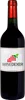
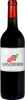
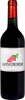
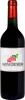
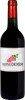
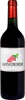
Winery Klus 177Le Rosé
 Pink wine



This wine is a blend of 3 varietals which are the Galotta, the Mara and the Pinot noir.
This wine generally goes well with pork, poultry or veal.
The Le Rosé of the Winery Klus 177 is in the top 10 of wines of Jura.

Food and wine pairings with Le Rosé
Pairings that work perfectly with Le Rosé



Original food and wine pairings with Le Rosé


The Le Rosé of Winery Klus 177 matches generally quite well with dishes of veal, pork or game (deer, venison) such as recipes of bigos (polish sauerkraut with paprika), wild boar stew or obelix's boar leg in the oven.
Details and technical informations about Winery Klus 177's Le Rosé.
Discover the grape variety: Galotta
Intensely coloured and structured reds with a deep purple robe, firm tannins and a dense mouthfeel, with aromas of black fruits (blackberry, blackcurrant, plum), cherry, spices and floral notes. A profile between Italian Ancellotta and French Gamay. Grown in Swiss Romandy (Vaud, Valais, Geneva) and Ticino for modern blends and identity cuvées. A Swiss hybrid created in 1981 at Pully by André Jaquinet (Ancellotta × Gamay), valued for its colour and resistance.
Last vintages of this wine
The best vintages of Le Rosé from Winery Klus 177 are 0, 2019
Informations about the Winery Klus 177
The Winery Klus 177 is one of of the world's greatest estates. It offers 12 wines for sale in the of Jura to come and discover on site or to buy online.

The wine region of Jura
Narrow 80 km French wine strip between Salins and Saint-Amour (~1,850 ha), marl and limestone soils, semi-continental climate. Savagnin is the signature native white: dry and intensely oxidative with green walnut, curry, yellow apple, dried flowers, dried fruits and saline finish, aged under a yeast veil (vin jaune style in the iconic 62 cl clavelin). Chardonnay (50%) as fresh white; light Poulsard and spiced Trousseau as ethereal reds. Crémant, vin de paille, Macvin.
The wine region of Neuchâtel
Swiss vineyard on the western shore of the lake, 606 ha in the Three Lakes region. Signature Pinot Noir (55% of the vineyard, the local prince): fine, fresh reds with notes of cherry, raspberry, undergrowth and sweet spices, silky tannins. Specialty invented here: Œil-de-Perdrix, a delicate Pinot Noir rosé with salmon hues. Lively, mineral Chasselas (citrus, flint) in white, including the identity-marking Non-Filtré primeur.
The word of the wine: Fruity
A wine whose nose is first characterized by aromas reminiscent of the world of fruit. A wine to be drunk young is essentially fruity, but all wines offer this type of aroma in the first place, which can evolve over time, from the scent of fresh fruit to cooked, stewed, candied or brandied fruit.