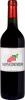
Domaine Gilles PillaultTentation Corbières
 Red wine
This wine generally goes well with beef, veal or pasta.

Food and wine pairings with Tentation Corbières
Pairings that work perfectly with Tentation Corbières



Original food and wine pairings with Tentation Corbières
The Tentation Corbières of Domaine Gilles Pillault matches generally quite well with dishes of beef, pasta or veal such as recipes of tunisian molokheya, cannelloni au gratin stuffed with bolognese sauce or pork chops with veal stock sauce.
Details and technical informations about Domaine Gilles Pillault's Tentation Corbières.
Discover the grape variety: Dauphine
Simple, fresh dry whites with a pale golden robe, a supple palate with moderate acidity and undemonstrative aromas of citrus and white flowers. Discreet rustic profile. Preserved in some ampelographic collections, one of the ancient heritage varieties whose commercial diffusion has almost disappeared, studied for its genetic and historical interest. Rare, little-documented white grape grown in negligible quantities.
Informations about the Domaine Gilles Pillault
The Domaine Gilles Pillault is one of of the world's greatest estates. It offers 4 wines for sale in the of Corbières to come and discover on site or to buy online.

The wine region of Corbières
Largest AOC in Languedoc, 95% Mediterranean reds. Signature old-vine Carignan (up to 60%): fleshy reds with black fruit, garrigue, black olive, spice and tight tannins. Blended with round, sunny Grenache, peppery Syrah, dense Mourvèdre and supple Cinsault. A few fresh rosés and whites (Grenache Blanc, Roussanne).
The wine region of Languedoc-Roussillon
Largest single French vineyard, dominated by sunny, generous reds. Spicy Syrah, candied Grenache (ripe fruit, garrigue), structured Carignan, deep Mourvèdre, supple Cinsault. Stars: structured Corbières, Minervois, Faugères, Saint-Chinian; round Côtes-du-Roussillon. Legendary vins doux naturels: Banyuls and Maury (fortified Grenache) with notes of cocoa, fig, prune.
The word of the wine: Gutedel
See chasselas.