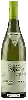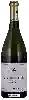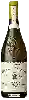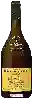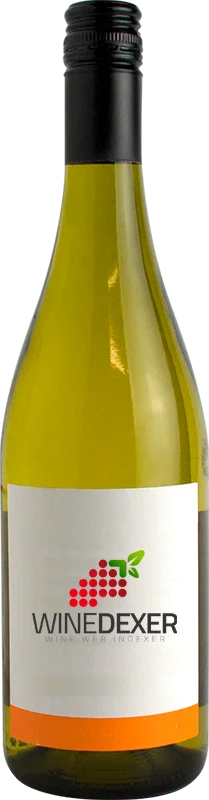
Domaine du Vieux CalcernierCuvée Alexandre et Estelle Châteauneuf-du-Pape
 White wine


This wine generally goes well with pork, poultry or rich fish (salmon, tuna etc).
Food and wine pairings with Cuvée Alexandre et Estelle Châteauneuf-du-Pape
Pairings that work perfectly with Cuvée Alexandre et Estelle Châteauneuf-du-Pape



Original food and wine pairings with Cuvée Alexandre et Estelle Châteauneuf-du-Pape


The Cuvée Alexandre et Estelle Châteauneuf-du-Pape of Domaine du Vieux Calcernier matches generally quite well with dishes of pork, rich fish (salmon, tuna etc) or mature and hard cheese such as recipes of roast pork with mustard and honey, steamed salmon marinated in herbs or 3 men pizza with ravioli.
Details and technical informations about Domaine du Vieux Calcernier's Cuvée Alexandre et Estelle Châteauneuf-du-Pape.
Discover the grape variety: Araignan
Araignan blanc is a grape variety that originated in France (south of France). It produces a variety of grape specially used for wine making. It is rare to find this grape to eat on our tables. This variety of grape is characterized by large bunches and large grapes. Araignan blanc is found in the vineyards of Provence and Corsica.
Informations about the Domaine du Vieux Calcernier
The Domaine du Vieux Calcernier is one of of the world's greatest estates. It offers 4 wines for sale in the of Châteauneuf-du-Pape to come and discover on site or to buy online.

The wine region of Châteauneuf-du-Pape
The wine region of Châteauneuf-du-Pape is located in the region of Rhône méridional of Rhone Valley of France. Wineries and vineyards like the Domaine Pegau or the Château Rayas produce mainly wines red and white. The most planted grape varieties in the region of Châteauneuf-du-Pape are Mourvèdre, Roussanne and Clairette, they are then used in wines in blends or as a single variety. On the nose of Châteauneuf-du-Pape often reveals types of flavors of iron, chestnut or red licorice and sometimes also flavors of tarragon, pencil shavings or cured meat.
The wine region of Rhone Valley
The Rhone Valley is a key wine-producing region in Southeastern France. It follows the North-south course of the Rhône for nearly 240 km, from Lyon to the Rhône delta (Bouches-du-Rhône), near the Mediterranean coast. The Length of the valley means that Rhône wines are the product of a wide variety of soil types and mesoclimates. The viticultural areas of the region cover such a distance that there is a widely accepted division between its northern and southern parts.
The word of the wine: Disgorging (champagne)
This is the evacuation of the deposit formed by the yeasts during the second fermentation in the bottle, by opening the bottle. The missing volume is completed with the liqueur de dosage - a mixture of wine and cane sugar - before the final cork is placed. For some years now, some producers have been replacing this sugar with rectified concentrated musts (concentrated grape juice) which give excellent results. A too recent dosage (less than three months) harms the gustatory harmony of the champagne.