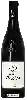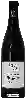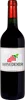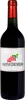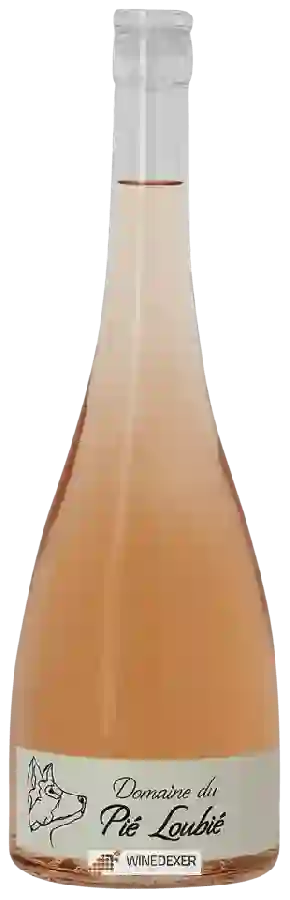
Domaine du Pié LoubiéFleur de Mars Rosé
 Pink wine
This wine generally goes well with pork, poultry or rich fish (salmon, tuna etc).

Food and wine pairings with Fleur de Mars Rosé
Pairings that work perfectly with Fleur de Mars Rosé



Original food and wine pairings with Fleur de Mars Rosé

The Fleur de Mars Rosé of Domaine du Pié Loubié matches generally quite well with dishes of pork, rich fish (salmon, tuna etc) or shellfish such as recipes of nanie's diced ham quiche, tomato, zucchini and tuna flan or knife feet.
Details and technical informations about Domaine du Pié Loubié's Fleur de Mars Rosé.
Discover the grape variety: Prugnolo Gentile
Structured and elegant reds with a deep ruby robe, firm yet melted tannins and a dense palate with fine acidity, showing signature aromas of red fruits (morello cherry, raspberry), plum ("prugnolo" = small plum), violet, spices, tobacco and Tuscan balsamic notes. Fine ageing potential. Star of Vino Nobile di Montepulciano DOCG, one of the great Tuscan reds for ageing. Tuscan synonym for Sangiovese grown in Montepulciano.
Informations about the Domaine du Pié Loubié
The Domaine du Pié Loubié is one of of the world's greatest estates. It offers 4 wines for sale in the of Côtes-du-Rhône-Villages 'Seguret' to come and discover on site or to buy online.

The wine region of Côtes-du-Rhône-Villages 'Seguret'
The wine region of Côtes-du-Rhône-Villages 'Seguret' is located in the region of Côtes-du-Rhône-Villages of Rhone Valley of France. Wineries and vineyards like the Domaine Mourchon or the Domaine du Pourra produce mainly wines red, pink and white. The most planted grape varieties in the region of Côtes-du-Rhône-Villages 'Seguret' are Mourvèdre, Roussanne and Marsanne, they are then used in wines in blends or as a single variety. On the nose of Côtes-du-Rhône-Villages 'Seguret' often reveals types of flavors of red fruit, honey or nutmeg and sometimes also flavors of cocoa, coffee or violet.
The wine region of Rhone Valley
France's 2nd-largest AOC vineyard, two complementary worlds. Northern: pure Syrah in signature reds (Côte-Rôtie, Hermitage, Cornas), deep and peppery with blackberry, violet, black olive and smoked bacon notes, exceptional ageing. Opulent Viognier whites (Condrieu, apricot, flowers) and ample Marsanne-Roussanne. Southern: sun-soaked Grenache blends at Châteauneuf, Gigondas, Vacqueyras (candied fruit, garrigue).
The word of the wine: Muscat blanc à petits grains
A white grape variety cultivated since antiquity on the shores of the Mediterranean, it is considered the noblest of the muscats. It is mainly used to make sweet wines, often from mutage. In France, it is the sole variety used in many natural sweet wines: muscat-de-frontignan, muscat-de-mireval, muscat-de-lunel, muscat-de-saint-jean-de-minervois, muscat-de-beaumes-de-venise, muscat-du-cap-corse. Combined with Muscat d'Alexandrie, it gives Muscat-de-Rivesaltes. It is also used to make sparkling white wines (clairette-de-die; moscato d'asti and asti spumante in Italy) and dry wines (alsace-muscat). Powerfully aromatic and complex, its wines evoke fresh grapes, roses, exotic fruits, citrus fruits and spices.