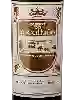
Domaine du Pere GuillotBasile le Petit Héritage & Tradition
 Red wine


This wine generally goes well with pork, beef or game (deer, venison).

Food and wine pairings with Basile le Petit Héritage & Tradition
Pairings that work perfectly with Basile le Petit Héritage & Tradition



Original food and wine pairings with Basile le Petit Héritage & Tradition



The Basile le Petit Héritage & Tradition of Domaine du Pere Guillot matches generally quite well with dishes of beef, lamb or pork such as recipes of caramelized beef with onions, lamb stew or rougail sausage.
Details and technical informations about Domaine du Pere Guillot's Basile le Petit Héritage & Tradition.
Discover the grape variety: Tempranillo
Elegant, structured reds with aromas of strawberry, cherry, plum, leather, blond tobacco and pronounced vanilla from long oak ageing. Ranges from Joven to Crianza, Reserva and Gran Reserva. Star of Rioja DOCa, Ribera del Duero DO and Toro DO, also shines in the Douro as Tinta Roriz/Aragonez. One of the world's most planted Spanish varieties.
Last vintages of this wine

The best vintages of Basile le Petit Héritage & Tradition from Domaine du Pere Guillot are 2017, 2019, 0, 2018
Informations about the Domaine du Pere Guillot
The Domaine du Pere Guillot is one of of the world's great estates. It offers 129 wines for sale in the of Vin de France to come and discover on site or to buy online.

The wine region of Vin de France
The freest category of French wine, the playground of winemakers working outside the AOC. All styles combined: fruity reds, lively or ambitious whites, everyday rosés, unusual blends, natural wines, atypical grapes (Petit Manseng in Languedoc, Riesling in Provence), experimental winemaking (skin-contact whites, no sulphur). Grape and vintage labelling allowed, no geographic constraint. From the pop, convivial cuvée to the artisan gem: freedom in a bottle.
The word of the wine: Soft
Sweet wine containing between 30 and 50 grams of residual sugar. A sweet wine is made from very ripe grapes but without being affected by botrytis cinerea and without being raisined. This term can also be applied to a dry wine that is smooth and fat in the mouth.