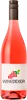
Domaine du Clos des 3 SourcesCapucine Coteaux d'Aix-En Provence Rosé
 wine
wine
This wine generally goes well with
The Capucine Coteaux d'Aix-En Provence Rosé of the Domaine du Clos des 3 Sources is in the top 0 of wines of Coteaux d'Aix-en-Provence.

Details and technical informations about Domaine du Clos des 3 Sources's Capucine Coteaux d'Aix-En Provence Rosé.
Discover the grape variety: Jacquez
Deeply coloured, rustic reds with a characteristic foxy taste (wild strawberry, wild raspberry, labruscoid notes), deep purple colour, soft tannins and a light palate with moderate acidity. Banned in France since 1935 (one of six prohibited hybrids). Still found on heritage trellises in the Cévennes and in Brazil as a table wine. American black hybrid (Vitis aestivalis × vinifera) imported in the 19th century.
Informations about the Domaine du Clos des 3 Sources
The Domaine du Clos des 3 Sources is one of of the world's greatest estates. It offers 2 wines for sale in the of Coteaux d'Aix-en-Provence to come and discover on site or to buy online.

The wine region of Coteaux d'Aix-en-Provence
Provençal AOC between the Durance, Rhône, Mediterranean and Sainte-Victoire, 70% rosés. Fresh, fruity rosés with signature notes of strawberry, grapefruit, white peach, flowers and a garrigue touch, taut and thirst-quenching palate — the sunny Provençal aperitif. Supple reds blending Grenache, Syrah, Cinsault, Mourvèdre and Cabernet Sauvignon (spice, density, structure). Whites Rolle (Vermentino) and Clairette, ample with white flowers.
The wine region of Provence
World capital of dry, refined rosé (~90% of production). Pale rose-petal colour, delicate nose of fresh red fruits (strawberry, raspberry, redcurrant), citrus (pink grapefruit), white flowers and a mineral touch, taut and thirst-quenching palate — the Mediterranean aperitif par excellence. Blends of Grenache, Cinsault, Syrah, Tibouren and Mourvèdre. Fleshy Bandol reds from Mourvèdre (leather, garrigue, age-worthy), straight Cassis whites.
The word of the wine: Servadou iron
A black grape variety from the southwest that produces a wine with spicy tannins and black currant and raspberry aromas. Under the name of Mansois, it is the main grape variety of Marcillac; it is also one of the important varieties of Gaillacois, where it is called Braucol. It is also used in the blends of other South-Western appellations (Fronton, Lavilledieu, Estaing, Madiran). Syn.: braucol, pinenc, mansois.