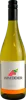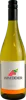
Domaine du CapitatMuscat de Rivesaltes Doux Naturel
 Natural sweet wine
This wine generally goes well with spicy food and sweet desserts.
Food and wine pairings with Muscat de Rivesaltes Doux Naturel
Pairings that work perfectly with Muscat de Rivesaltes Doux Naturel


Original food and wine pairings with Muscat de Rivesaltes Doux Naturel
The Muscat de Rivesaltes Doux Naturel of Domaine du Capitat matches generally quite well with dishes of spicy food or sweet desserts such as recipes of thai beef wok or traditional pastry flan.
Details and technical informations about Domaine du Capitat's Muscat de Rivesaltes Doux Naturel.
Discover the grape variety: Cabernet-Carbon
An interspecific cross between Cabernet Sauvignon and Bronner made in 1983 by Norbert Becker of the Freiburg Research Institute in Germany. It can be found in Germany, the Netherlands, Belgium, Switzerland, Italy, Romania, ... little known in France.
Informations about the Domaine du Capitat
The Domaine du Capitat is one of of the world's greatest estates. It offers 9 wines for sale in the of Muscat de Rivesaltes to come and discover on site or to buy online.

The wine region of Muscat de Rivesaltes
The wine region of Muscat de Rivesaltes is located in the region of Rivesaltes of Languedoc-Roussillon of France. Wineries and vineyards like the Domaine Boudau or the Domaine Lafage produce mainly wines natural sweet, sweet and white. The most planted grape varieties in the region of Muscat de Rivesaltes are Melon et Muscadelle, they are then used in wines in blends or as a single variety. On the nose of Muscat de Rivesaltes often reveals types of flavors of earth, spices or melon and sometimes also flavors of mango, dried apricot or non oak.
The wine region of Languedoc-Roussillon
Languedoc (formerly Coteaux du Languedoc) is a key appellation used in the Languedoc-Roussillon wine region of southern France. It covers Dry table wines of all three colors (red, white and rosé) from the entire region, but leaves Sweet and Sparkling wines to other more specialized appellations. About 75% of all Languedoc wines are red, with the remaining 25% split roughly down the middle between whites and rosés. The appellation covers most of the Languedoc region and almost a third of all the vineyards in France.
The word of the wine: Hat
Solid part (marc), composed of pips and skins (sometimes of the stalk), which forms at the top of the tank during fermentation. The pigeage consists in breaking this cap to put back in suspension these elements and to favour the exchanges between the juice and the skins.