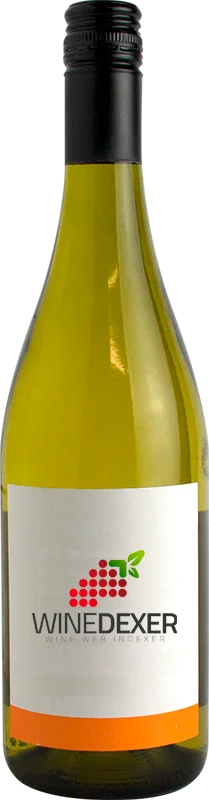
Domaine des MenadesChasselas
 White wine



In the mouth this white wine is a with a nice freshness.
This wine generally goes well with poultry, lean fish or mild and soft cheese.

Taste structure of the Chasselas from the Domaine des Menades
Light | Bold | |
Dry | Sweet | |
Soft | Acidic |
In the mouth the Chasselas of Domaine des Menades in the region of Genève is a with a nice freshness.
Food and wine pairings with Chasselas
Pairings that work perfectly with Chasselas



Original food and wine pairings with Chasselas

The Chasselas of Domaine des Menades matches generally quite well with dishes of poultry, lean fish or mild and soft cheese such as recipes of leek and fresh salmon tart, quick fish parmentier or tuna and cream cheese pie.
Details and technical informations about Domaine des Menades's Chasselas.
Discover the grape variety: Chasselas
Light, lively whites with a tender palate and low acidity, with discreet aromas of fresh hazelnut, white flowers, light honey, apple and strongly terroir-driven mineral notes ("chameleon wine" of Swiss soils). Made as dry, often slightly sparkling whites. Absolute star of Vaud (Dézaley, Calamin, Lavaux Grand Cru) and Valais (Fendant) in Switzerland. Also in Pouilly-sur-Loire AOC and the German Jura. Excellent table grape.
Last vintages of this wine
The best vintages of Chasselas from Domaine des Menades are 0
Informations about the Domaine des Menades
The Domaine des Menades is one of of the world's great estates. It offers 17 wines for sale in the of Genève to come and discover on site or to buy online.

The wine region of Genève
Switzerland's 3rd wine canton, a modern and diverse expression. Fleshy Gamay as the signature red: fruity and crunchy with notes of cherry, raspberry and sweet spices, supple tannins. Fine Pinot Noir (undergrowth, red fruits), spicy, dense Gamaret, deep Garanoir. Whites: historic Chasselas (mineral and floral), ample Chardonnay (pear, brioche), round Pinot Blanc.
The word of the wine: Amylic
Aroma reminiscent of banana, candy, and sometimes nail polish, particularly present in primeur wines. The amylic taste is reminiscent of the aromas of industrial confectionery and does not reflect a great expression of terroir.