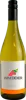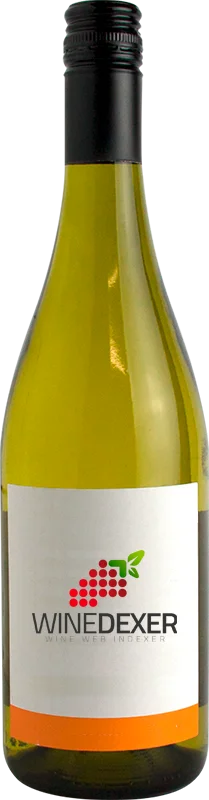
Domaine des GalloiresFleur d'Automne
 White wine



In the mouth this white wine is a with a nice freshness.
This wine generally goes well with appetizers and snacks, lean fish or shellfish.

Taste structure of the Fleur d'Automne from the Domaine des Galloires
Light | Bold | |
Dry | Sweet | |
Soft | Acidic |
In the mouth the Fleur d'Automne of Domaine des Galloires in the region of Muscadet-Coteaux de la Loire is a with a nice freshness.
Food and wine pairings with Fleur d'Automne
Pairings that work perfectly with Fleur d'Automne



Original food and wine pairings with Fleur d'Automne

The Fleur d'Automne of Domaine des Galloires matches generally quite well with dishes of shellfish, appetizers and snacks or lean fish such as recipes of seafood pastilla, delicious moroccan fritters or sole fillets au gratin with mushrooms and shallots.
Details and technical informations about Domaine des Galloires's Fleur d'Automne.
Discover the grape variety: Verdelho blanc
Structured and lively whites with excellent ageing potential, golden robe, taut palate with preserved acidity, signature aromas of citrus (lemon), dried fruits (almond), white flowers and saline mineral notes. Also excels in oxidative medium-bodied dry Madeira. Historical pillar of medium-bodied dry Madeira, also thrives dry along the Portuguese coast and in Galicia (Verdejo). Emblematic Portuguese white grape of Madeira.
Informations about the Domaine des Galloires
The Domaine des Galloires is one of of the world's great estates. It offers 36 wines for sale in the of Muscadet-Coteaux de la Loire to come and discover on site or to buy online.

The wine region of Muscadet-Coteaux de la Loire
Muscadet sub-appellation (1936, 189 ha, 24 communes) upstream from Nantes along the Loire: 100% Melon de Bourgogne on steep slopes of Armorican Massif bedrock - gneiss, granite, mica schists and green rocks. Pale with green tints, tonic and powerful whites with a signature accentuated minerality. Nose of citrus, white flowers, iodine and saline notes, lively taut palate. Unique microclimate on the Loire slopes, aged on lees.
The word of the wine: Late harvest
A name historically used in Alsace, late harvest refers to grapes harvested during over-ripening for the production of sweet and syrupy wines.