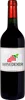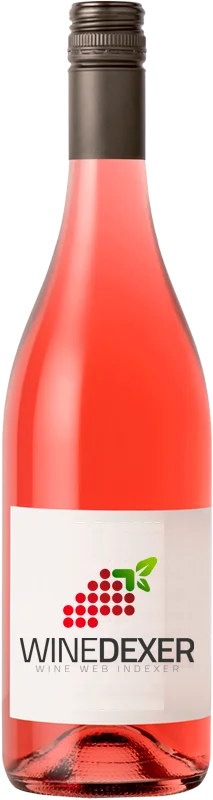
Domaine de RavanesLe Guêpier Cinsault Rosé
 Pink wine



In the mouth this pink wine is a with a nice freshness.
This wine generally goes well with vegetarian, appetizers and snacks or lean fish.

Taste structure of the Le Guêpier Cinsault Rosé from the Domaine de Ravanes
Light | Bold | |
Dry | Sweet | |
Soft | Acidic |
In the mouth the Le Guêpier Cinsault Rosé of Domaine de Ravanes in the region of Pays d'Oc is a with a nice freshness.
Food and wine pairings with Le Guêpier Cinsault Rosé
Pairings that work perfectly with Le Guêpier Cinsault Rosé



Original food and wine pairings with Le Guêpier Cinsault Rosé


The Le Guêpier Cinsault Rosé of Domaine de Ravanes matches generally quite well with dishes of pasta, vegetarian or appetizers and snacks such as recipes of spaghetti neapolitan style, goat cheese and bacon quiche or tapenade.
Details and technical informations about Domaine de Ravanes's Le Guêpier Cinsault Rosé.
Discover the grape variety: Riminèse
Simple, fresh dry whites with a pale golden colour, a supple palate with moderate acidity, and understated aromas of citrus and white flowers. Discreet rustic profile. Preserved in a few ampelographic collections for its heritage value, it belongs to the group of ancient varieties that have virtually disappeared from commercial production. A rare white grape variety, poorly documented, grown in negligible quantities.
Last vintages of this wine
The best vintages of Le Guêpier Cinsault Rosé from Domaine de Ravanes are 2016
Informations about the Domaine de Ravanes
The Domaine de Ravanes is one of of the world's greatest estates. It offers 17 wines for sale in the of Vin de Pays to come and discover on site or to buy online.

The wine region of Vin de Pays
Intermediate category between AOC and Vin de France (renamed IGP in 2009), 27% of national volume. Accessible, expressive wines defined by their grape: opulent Chardonnay, lively Sauvignon, round Merlot, peppery Syrah, floral Viognier with apricot. 76 IGP in France at 3 scales: regional (Pays d'Oc, Méditerranée, Val de Loire), departmental or local. Flexible rules, wide range of permitted grapes, free grape and vintage labelling.
The wine region of Pays d'Oc
The single-grape IGP par excellence: modern, accessible, frank and fruity wines, the popular signature of the Midi. Spicy Syrah reds (pepper, blackberry), round Merlot, structured Cabernet, generous Grenache, supple Cinsault. Crisp, tangy rosés. Opulent Chardonnay whites, lively Sauvignon, floral, apricoty Viognier.
The word of the wine: Presses
The juice that results from pressing the grapes after fermentation. At the end of the maceration, the vats are emptied, the first juice obtained is called the free-run wine and the marc remaining at the bottom of the vat is then pressed to give the press wine. We say more quickly "the presses". Their quality varies according to the vintage and the maceration. A too vigorous extraction releases the tannins of pips and the wine of press can then prove to be very astringent. Often the winemaker raises it separately, deciding later whether or not to incorporate it totally or partially into the grand vin.