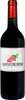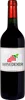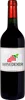
Domaine de RavanesL'Ibis Rouge
 Red wine



This wine generally goes well with beef and spicy food.

Food and wine pairings with L'Ibis Rouge
Pairings that work perfectly with L'Ibis Rouge


Original food and wine pairings with L'Ibis Rouge
The L'Ibis Rouge of Domaine de Ravanes matches generally quite well with dishes of beef or spicy food such as recipes of beef bourguignon with cookéo or indian style coral lentils.
Details and technical informations about Domaine de Ravanes's L'Ibis Rouge.
Discover the grape variety: Aramon
Light and supple reds with a lightly coloured ruby robe, melted tannins and moderate acidity, with simple aromas of red fruits (cherry, strawberry), floral notes and a rustic profile. Easy-drinking, low-alcohol thirst-quenchers best drunk young. Once ubiquitous in the 19th century, now marginal but preserved in IGP Pays d'Hérault. An autochthonous Languedoc variety, currently in revival for modern light cuvées.
Informations about the Domaine de Ravanes
The Domaine de Ravanes is one of of the world's greatest estates. It offers 17 wines for sale in the of Vin de Pays to come and discover on site or to buy online.

The wine region of Vin de Pays
Intermediate category between AOC and Vin de France (renamed IGP in 2009), 27% of national volume. Accessible, expressive wines defined by their grape: opulent Chardonnay, lively Sauvignon, round Merlot, peppery Syrah, floral Viognier with apricot. 76 IGP in France at 3 scales: regional (Pays d'Oc, Méditerranée, Val de Loire), departmental or local. Flexible rules, wide range of permitted grapes, free grape and vintage labelling.
The wine region of Pays d'Oc
The single-grape IGP par excellence: modern, accessible, frank and fruity wines, the popular signature of the Midi. Spicy Syrah reds (pepper, blackberry), round Merlot, structured Cabernet, generous Grenache, supple Cinsault. Crisp, tangy rosés. Opulent Chardonnay whites, lively Sauvignon, floral, apricoty Viognier.
The word of the wine: Overmaturation
When the grapes reach maturity, the skin becomes permeable and progressively loses water, which causes a concentration phenomenon inside the berry. This is called over-ripening or passerillage.