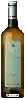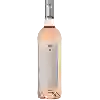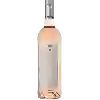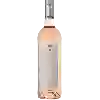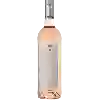
Domaine de MétifiotRosé
 Pink wine



This wine generally goes well with
The Rosé of the Domaine de Métifiot is in the top 70 of wines of Alpilles.
Details and technical informations about Domaine de Métifiot's Rosé.
Discover the grape variety: Attiki
Variety obtained in Greece by Vassilis Mikos by crossing the Alphonse Lavallée with the black monukka, registered at the end of 2002 in the Official Catalogue of table grape varieties list A1.
Last vintages of this wine
The best vintages of Rosé from Domaine de Métifiot are 2019, 0
Informations about the Domaine de Métifiot
The Domaine de Métifiot is one of of the world's greatest estates. It offers 5 wines for sale in the of Alpilles to come and discover on site or to buy online.

The wine region of Alpilles
The wine region of Alpilles is located in the region of Méditerranée of Vin de Pays of France. Wineries and vineyards like the Domaine de Trévallon or the Domaine de Trévallon produce mainly wines red, pink and white. The most planted grape varieties in the region of Alpilles are Merlot, Cabernet-Sauvignon and Roussanne, they are then used in wines in blends or as a single variety. On the nose of Alpilles often reveals types of flavors of peach, black fruits or white pepper and sometimes also flavors of cassis, clove or mushroom.
The wine region of Méditerranée
Méditérranée is a PGI title that covers wines produced in a large area of the South-eastern coast of France, roughly corresponding to the wine region of Provence but also including Part of the Rhône Valley. The PGI shares its territory with multiple AOC appellations as varied as Châteauneuf-du-Pape, Bandol and Côtes de Provence. The PGI Méditérranée catchment area extends over 10 departments (including the two on the island of Corsica), as well as smaller parts of the Isère, Loire and Rhône departments. Viticulture is essential to the culture and economy of this part of France.
The word of the wine: Yeast
Micro-organisms at the base of all fermentative processes. A wide variety of yeasts live and thrive naturally in the vineyard, provided that treatments do not destroy them. Unfortunately, their replacement by laboratory-selected yeasts is often the order of the day and contributes to the standardization of the wine. Yeasts are indeed involved in the development of certain aromas.