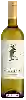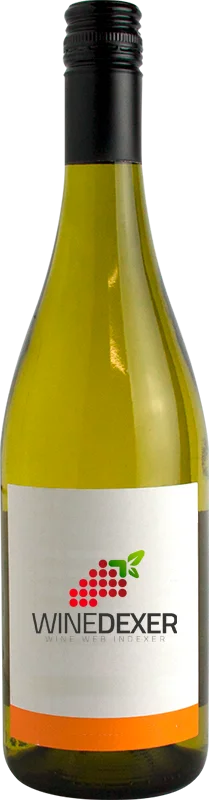
Domaine de MassereauCazalet Blanc
 White wine



In the mouth this white wine is a .
This wine generally goes well with vegetarian, poultry or lean fish.

Taste structure of the Cazalet Blanc from the Domaine de Massereau
Light | Bold | |
Dry | Sweet | |
Soft | Acidic |
In the mouth the Cazalet Blanc of Domaine de Massereau in the region of Pays d'Oc is a .
Food and wine pairings with Cazalet Blanc
Pairings that work perfectly with Cazalet Blanc



Original food and wine pairings with Cazalet Blanc


The Cazalet Blanc of Domaine de Massereau matches generally quite well with dishes of pasta, vegetarian or poultry such as recipes of pasta with mussels, quiche with leeks and fresh salmon from flo or pastilla with chicken (moroccan pie with brick sheets).
Details and technical informations about Domaine de Massereau's Cazalet Blanc.
Discover the grape variety: Vermentino
Nervy, saline whites with cutting acidity and enveloping richness, showing aromas of grapefruit, lime, pear, white flowers, fresh almond, fennel and marine iodine notes. Slightly bitter finish. Star of Sardinia (Vermentino di Gallura DOCG), Liguria, coastal Tuscany (Bolgheri) and Corsica. Also in Provence and Languedoc-Roussillon as Rolle. An autochthonous Mediterranean variety.
Last vintages of this wine
The best vintages of Cazalet Blanc from Domaine de Massereau are 2016, 2013
Informations about the Domaine de Massereau
The Domaine de Massereau is one of of the world's greatest estates. It offers 15 wines for sale in the of Pays d'Oc to come and discover on site or to buy online.

The wine region of Pays d'Oc
The single-grape IGP par excellence: modern, accessible, frank and fruity wines, the popular signature of the Midi. Spicy Syrah reds (pepper, blackberry), round Merlot, structured Cabernet, generous Grenache, supple Cinsault. Crisp, tangy rosés. Opulent Chardonnay whites, lively Sauvignon, floral, apricoty Viognier.
The word of the wine: Côte des Bar
This is the name given to the vineyards of the Aube, which are closer to Burgundy, and some of the wines produced here bear witness to this proximity. The pinot noir dominates, the meunier is practically absent. Two crus have become references: Riceys, where a rosé without bubbles is also produced, and Montgueux near Troyes, renowned for its Chardonnay.