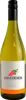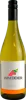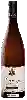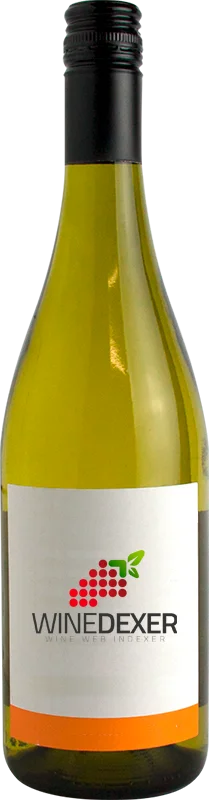
Domaine de l'AngeliereSauvignon Blanc
 White wine
This wine generally goes well with vegetarian, rich fish (salmon, tuna etc) or shellfish.

Food and wine pairings with Sauvignon Blanc
Pairings that work perfectly with Sauvignon Blanc



Original food and wine pairings with Sauvignon Blanc
The Sauvignon Blanc of Domaine de l'Angeliere matches generally quite well with dishes of rich fish (salmon, tuna etc), shellfish or vegetarian such as recipes of cod brandade, spanish seafood paella or quiche without pastry.
Details and technical informations about Domaine de l'Angeliere's Sauvignon Blanc.
Discover the grape variety: Madeleine-Sylvaner
Aromatic, lively dry whites with a pale golden robe, a supple palate with preserved acidity, and signature muscat-like aromas, white flowers and citrus notes. Early-ripening and productive. Grown on small areas in Germany and England, well adapted to northern viticultural climates. German white variety obtained in 1932 at Alzey by Georg Scheu (Madeleine angevine × Sylvaner).
Informations about the Domaine de l'Angeliere
The Domaine de l'Angeliere is one of of the world's great estates. It offers 17 wines for sale in the of Loire Valley to come and discover on site or to buy online.

The wine region of Loire Valley
Kingdom of lively, dry whites and fine sparklers. Mineral, taut Sauvignon Blanc (Sancerre, Pouilly-Fumé) with citrus and gunflint notes. Multiform Chenin Blanc (Vouvray, Savennières, Layon): straight dry, floral off-dry or noble sweet honey-quince. Saline, iodised Muscadet (Melon B.
The word of the wine: Natural sweet wine
Wine obtained by mutage with wine alcohol of the must in the course of fermentation, from the Muscat, Grenache, Macabeu and Malvoisie grape varieties, and corresponding to strict conditions of production, richness and elaboration.