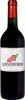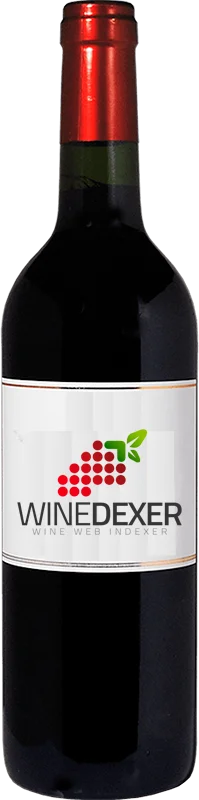
Domaine de La SantolineMerlot
 Red wine



In the mouth this red wine is a powerful with a nice balance between acidity and tannins.
This wine generally goes well with beef, veal or pasta.

Taste structure of the Merlot from the Domaine de La Santoline
Light | Bold | |
Smooth | Tannic | |
Dry | Sweet | |
Soft | Acidic |
In the mouth the Merlot of Domaine de La Santoline in the region of Pays d'Oc is a powerful with a nice balance between acidity and tannins.
Food and wine pairings with Merlot
Pairings that work perfectly with Merlot



Original food and wine pairings with Merlot
The Merlot of Domaine de La Santoline matches generally quite well with dishes of beef, pasta or veal such as recipes of beef stew, pasta with goat cheese, thyme and bacon or filet mignon of veal with cider.
Details and technical informations about Domaine de La Santoline's Merlot.
Discover the grape variety: L'Acadie Blanc
Fresh, fruity dry whites with a pale golden robe, a supple palate and preserved acidity, with signature aromas of citrus (lemon, grapefruit), green apple, white flowers and herbal notes. Also made as taut, refreshing traditional-method sparkling wines. Grown in Canada (Nova Scotia, Ontario) and the north-eastern United States, extremely cold-hardy. White hybrid grape obtained in 1953 by Ollie Bradt at the Ontario Horticultural Institute, a Cascade × Veeblanc cross.
Last vintages of this wine
The best vintages of Merlot from Domaine de La Santoline are 2014
Informations about the Domaine de La Santoline
The Domaine de La Santoline is one of of the world's greatest estates. It offers 7 wines for sale in the of Pays d'Oc to come and discover on site or to buy online.

The wine region of Pays d'Oc
The single-grape IGP par excellence: modern, accessible, frank and fruity wines, the popular signature of the Midi. Spicy Syrah reds (pepper, blackberry), round Merlot, structured Cabernet, generous Grenache, supple Cinsault. Crisp, tangy rosés. Opulent Chardonnay whites, lively Sauvignon, floral, apricoty Viognier.
The word of the wine: Cord
Management of trellised vines.