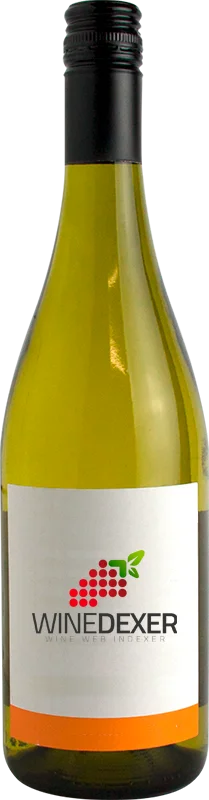
Domaine de l'Oustal BlancNaïck Blanc
 White wine



This wine generally goes well with
The Naïck Blanc of the Domaine de l'Oustal Blanc is in the top 30 of wines of Vin de France.

Wine flavors and olphactive analysis



On the nose the Naïck Blanc of Domaine de l'Oustal Blanc in the region of Vin de France often reveals types of flavors of oaky, earth or oak.
Details and technical informations about Domaine de l'Oustal Blanc's Naïck Blanc.
Discover the grape variety: Canaiolo Nero
Supple, fruity reds with a clear to intense ruby robe, smooth tannins and a charming palate, with signature aromas of plum, cherry, violet (hallmark), red fruits, soft spices and herbal notes. Brings roundness and fruit to historic Chianti alongside Sangiovese. Renewed interest as a single variety producing more delicate, accessible Tuscan reds. Indigenous Italian variety from Tuscany, known since Etruscan times.
Last vintages of this wine
The best vintages of Naïck Blanc from Domaine de l'Oustal Blanc are 2012, 2006, 2010, 2009 and 2011.
Informations about the Domaine de l'Oustal Blanc
The Domaine de l'Oustal Blanc is one of of the world's greatest estates. It offers 6 wines for sale in the of Vin de France to come and discover on site or to buy online.

The wine region of Vin de France
The freest category of French wine, the playground of winemakers working outside the AOC. All styles combined: fruity reds, lively or ambitious whites, everyday rosés, unusual blends, natural wines, atypical grapes (Petit Manseng in Languedoc, Riesling in Provence), experimental winemaking (skin-contact whites, no sulphur). Grape and vintage labelling allowed, no geographic constraint. From the pop, convivial cuvée to the artisan gem: freedom in a bottle.
The word of the wine: Farm
Wine dominated by a strong acidity and/or biting tannins. In this case, the components of the wine need to melt, i.e. to harmonize during the maturation in the cellar.