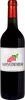
Domaine de l'AqueducDomitia
 Red wine



In the mouth this red wine is a powerful with a nice balance between acidity and tannins.
This wine generally goes well with beef, veal or pasta.

Taste structure of the Domitia from the Domaine de l'Aqueduc
Light | Bold | |
Smooth | Tannic | |
Dry | Sweet | |
Soft | Acidic |
In the mouth the Domitia of Domaine de l'Aqueduc in the region of Pays d'Oc is a powerful with a nice balance between acidity and tannins.
Food and wine pairings with Domitia
Pairings that work perfectly with Domitia



Original food and wine pairings with Domitia
The Domitia of Domaine de l'Aqueduc matches generally quite well with dishes of beef, pasta or veal such as recipes of piglet shoulder with melting baked apples, pasta carbonara almost like the real thing or roast veal grand-mère madou.
Details and technical informations about Domaine de l'Aqueduc's Domitia.
Discover the grape variety: Jaen
Supple, fruity reds with a clear to intense ruby robe, smooth tannins and a charming palate, with signature aromas of red fruits (cherry, raspberry, strawberry), soft spices, flowers and herbal notes. Airy profile for early drinking or short ageing. Essential component of Dão DOC reds, blended with Touriga Nacional and Tinta Roriz. Genetically identical to Spanish Mencía, indigenous Portuguese black variety from Dão.
Last vintages of this wine
The best vintages of Domitia from Domaine de l'Aqueduc are 2017, 2016, 2018
Informations about the Domaine de l'Aqueduc
The Domaine de l'Aqueduc is one of of the world's greatest estates. It offers 14 wines for sale in the of Pays d'Oc to come and discover on site or to buy online.

The wine region of Pays d'Oc
The single-grape IGP par excellence: modern, accessible, frank and fruity wines, the popular signature of the Midi. Spicy Syrah reds (pepper, blackberry), round Merlot, structured Cabernet, generous Grenache, supple Cinsault. Crisp, tangy rosés. Opulent Chardonnay whites, lively Sauvignon, floral, apricoty Viognier.
The word of the wine: Crémant
AOC sparkling wine made by traditional method, with specific constraints in the regions of Alsace, Bordeaux, Burgundy, Die, Jura, Limoux and the Loire Valley, as well as in Luxembourg.