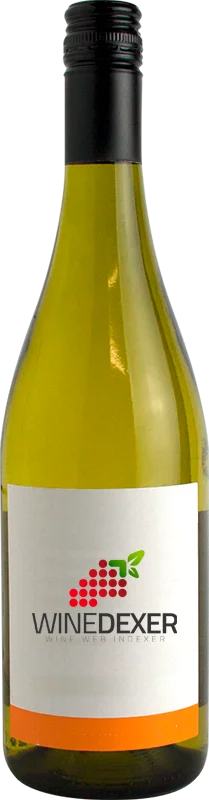
Domaine de BachelleryFleur de sel
 White wine


In the mouth this white wine is a .
This wine generally goes well with vegetarian, poultry or lean fish.

Taste structure of the Fleur de sel from the Domaine de Bachellery
Light | Bold | |
Dry | Sweet | |
Soft | Acidic |
In the mouth the Fleur de sel of Domaine de Bachellery in the region of Languedoc-Roussillon is a .
Food and wine pairings with Fleur de sel
Pairings that work perfectly with Fleur de sel



Original food and wine pairings with Fleur de sel


The Fleur de sel of Domaine de Bachellery matches generally quite well with dishes of pasta, vegetarian or poultry such as recipes of pasta with walnuts and treviso red salad, zucchini quiche or potato cakes.
Details and technical informations about Domaine de Bachellery's Fleur de sel.
Discover the grape variety: Cabernet-Sauvignon
Structured, tannic reds, deeply coloured, with aromas of blackcurrant, blackberry, cedar, tobacco and graphite, underpinned by firm acidity and fine ageing potential. Cornerstone of the great Médoc estates (Pauillac, Saint-Estèphe, Saint-Julien) and signature of Napa Valley, Coonawarra and Maipo. The world's most planted red variety, a natural cross of Cabernet Franc x Sauvignon Blanc born in Bordeaux.
Last vintages of this wine
The best vintages of Fleur de sel from Domaine de Bachellery are 2012
Informations about the Domaine de Bachellery
The Domaine de Bachellery is one of of the world's great estates. It offers 18 wines for sale in the of Languedoc-Roussillon to come and discover on site or to buy online.

The wine region of Languedoc-Roussillon
Largest single French vineyard, dominated by sunny, generous reds. Spicy Syrah, candied Grenache (ripe fruit, garrigue), structured Carignan, deep Mourvèdre, supple Cinsault. Stars: structured Corbières, Minervois, Faugères, Saint-Chinian; round Côtes-du-Roussillon. Legendary vins doux naturels: Banyuls and Maury (fortified Grenache) with notes of cocoa, fig, prune.
The word of the wine: Final
A more or less lasting impression that is felt in the mouth once the wine has been swallowed (or spat out in the case of a professional tasting). The finish can be short or persistent.