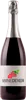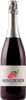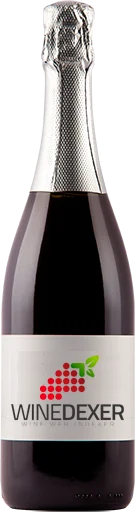
Domaine CocteauxLes Bulles Rouges
 Sparkling wine
This wine is a blend of 2 varietals which are the Cabernet-Sauvignon and the Gamay noir.
This wine generally goes well with poultry, beef or lamb.

Food and wine pairings with Les Bulles Rouges
Pairings that work perfectly with Les Bulles Rouges



Original food and wine pairings with Les Bulles Rouges

The Les Bulles Rouges of Domaine Cocteaux matches generally quite well with dishes of beef, lamb or spicy food such as recipes of oxtail and carrot stew, lamb and coconut curry, african style or quick coconut milk chicken.
Details and technical informations about Domaine Cocteaux's Les Bulles Rouges.
Discover the grape variety: Cabernet-Sauvignon
Structured, tannic reds, deeply coloured, with aromas of blackcurrant, blackberry, cedar, tobacco and graphite, underpinned by firm acidity and fine ageing potential. Cornerstone of the great Médoc estates (Pauillac, Saint-Estèphe, Saint-Julien) and signature of Napa Valley, Coonawarra and Maipo. The world's most planted red variety, a natural cross of Cabernet Franc x Sauvignon Blanc born in Bordeaux.
Informations about the Domaine Cocteaux
The Domaine Cocteaux is one of of the world's great estates. It offers 13 wines for sale in the of Basse Loire to come and discover on site or to buy online.

The wine region of Basse Loire
IGP designation in the Pays Nantais (Loire-Atlantique), gneiss, mica-schist and granite draining soils, mild humid oceanic climate between Nantes and the Atlantic. Folle Blanche and Chardonnay are the signature whites: mineral with citrus and oceanic tension, delicate fruit. Melon de Bourgogne is the historic companion of Muscadet. Gamay for fruity rosé.
The wine region of Loire Valley
Kingdom of lively, dry whites and fine sparklers. Mineral, taut Sauvignon Blanc (Sancerre, Pouilly-Fumé) with citrus and gunflint notes. Multiform Chenin Blanc (Vouvray, Savennières, Layon): straight dry, floral off-dry or noble sweet honey-quince. Saline, iodised Muscadet (Melon B.
The word of the wine: Reserve wine (champagne)
Older wines, kept in vats or aged in wood in some houses, or kept in magnums at Bollinger. A small percentage of these wines are used in the blending of non-vintage wines in order to bring greater aromatic complexity.