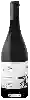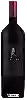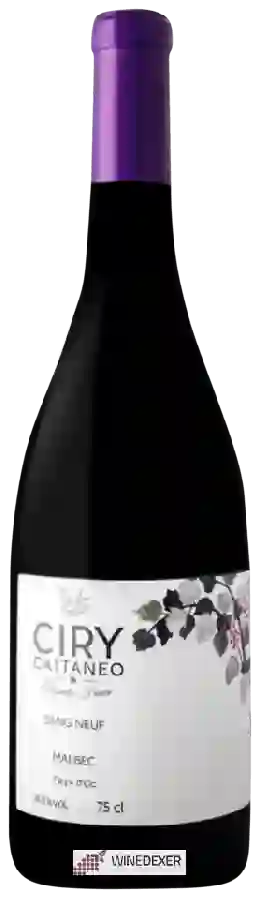
Domaine Ciry CattaneoSang Neuf Malbec
 Red wine


In the mouth this red wine is a powerful with a nice balance between acidity and tannins.
This wine generally goes well with beef, veal or pasta.

Taste structure of the Sang Neuf Malbec from the Domaine Ciry Cattaneo
Light | Bold | |
Smooth | Tannic | |
Dry | Sweet | |
Soft | Acidic |
In the mouth the Sang Neuf Malbec of Domaine Ciry Cattaneo in the region of Pays d'Oc is a powerful with a nice balance between acidity and tannins.
Food and wine pairings with Sang Neuf Malbec
Pairings that work perfectly with Sang Neuf Malbec



Original food and wine pairings with Sang Neuf Malbec
The Sang Neuf Malbec of Domaine Ciry Cattaneo matches generally quite well with dishes of beef, pasta or veal such as recipes of family potluck, pasta with zucchini or milanese escalope (italy).
Details and technical informations about Domaine Ciry Cattaneo's Sang Neuf Malbec.
Discover the grape variety: Malbec
Deep, velvety reds with an intense purple colour, showing aromas of blackberry, black plum, violet, cocoa and gentle spice. Round tannins, fleshy palate, peppery length. Star of Cahors AOC (Côt, Auxerrois) in France and the absolute signature of Mendoza, Argentina (Uco Valley, Luján de Cuyo). A French South-West variety that became the Argentine emblem after its post-phylloxera decline.
Last vintages of this wine
The best vintages of Sang Neuf Malbec from Domaine Ciry Cattaneo are 2016
Informations about the Domaine Ciry Cattaneo
The Domaine Ciry Cattaneo is one of of the world's greatest estates. It offers 7 wines for sale in the of Pays d'Oc to come and discover on site or to buy online.

The wine region of Pays d'Oc
The single-grape IGP par excellence: modern, accessible, frank and fruity wines, the popular signature of the Midi. Spicy Syrah reds (pepper, blackberry), round Merlot, structured Cabernet, generous Grenache, supple Cinsault. Crisp, tangy rosés. Opulent Chardonnay whites, lively Sauvignon, floral, apricoty Viognier.
The word of the wine: Destemming
Action consisting in separating the grapes from the stalk before vinification. The stalk, the woody part of the bunch, may give the wine an unpleasant vegetal character.