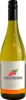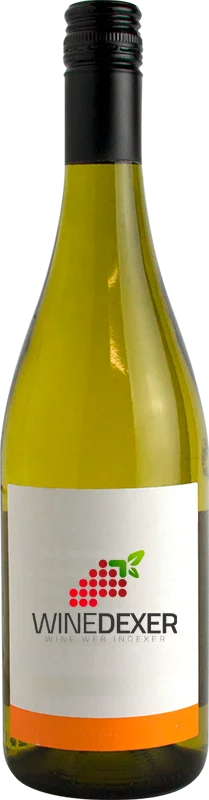
Domaine ChervetPerle du Vully
 White wine



This wine generally goes well with
The Perle du Vully of the Domaine Chervet is in the top 90 of wines of Vully.

Wine flavors and olphactive analysis

Details and technical informations about Domaine Chervet's Perle du Vully.
Discover the grape variety: Godello
Structured, aromatic dry whites with a pale golden color, ample palate and preserved acidity, offering refined aromas of yellow fruits (pear, peach, quince), citrus (lemon), white flowers (acacia) and schist mineral notes. Fine barrel-ageing and cellaring potential. Star of great Galician whites: Valdeorras DO, Monterrei DO and Ribeira Sacra DO. Saved from near-extinction in the 1970s, an indigenous Galician variety from north-west Spain.
Last vintages of this wine
The best vintages of Perle du Vully from Domaine Chervet are 2014, 2016, 2017, 0 and 2015.
Informations about the Domaine Chervet
The Domaine Chervet is one of of the world's greatest estates. It offers 21 wines for sale in the of Vully to come and discover on site or to buy online.

The wine region of Vully
Smallest wine region in Switzerland (~150 ha), only intercantonal AOC Vaud-Fribourg, north-west shores of Lake Morat. Signature Chasselas as king white: fine and delicate with white flowers, citrus, green apple, sweet almond and a lakeside mineral touch, taut refreshing palate — quintessential Swiss aperitif. Aerial Pinot Noir (cherry, raspberry), supple Gamay, floral Müller-Thurgau, aromatic Traminer, local Freiburger specialty. Chiselled wines.
The wine region of Neuchâtel
Swiss vineyard on the western shore of the lake, 606 ha in the Three Lakes region. Signature Pinot Noir (55% of the vineyard, the local prince): fine, fresh reds with notes of cherry, raspberry, undergrowth and sweet spices, silky tannins. Specialty invented here: Œil-de-Perdrix, a delicate Pinot Noir rosé with salmon hues. Lively, mineral Chasselas (citrus, flint) in white, including the identity-marking Non-Filtré primeur.
The word of the wine: Old vines
There are no specific regulations governing the term "vieilles vignes". After 20 to 25 years, the yields stabilize and tend to decrease, the vines are deeply rooted, and the grapes that come from them give richer, more concentrated, more sappy wines, expressing with more nuance the characteristics of their terroir. It is possible to find plots of vines that claim to be a century old.