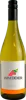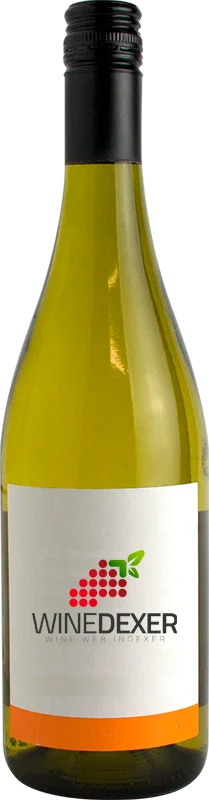
Cave des 2 RivesViognier
 White wine
This wine generally goes well with pork, poultry or game (deer, venison).

Food and wine pairings with Viognier
Pairings that work perfectly with Viognier



Original food and wine pairings with Viognier



The Viognier of Cave des 2 Rives matches generally quite well with dishes of pork, game (deer, venison) or shellfish such as recipes of sauté of veal with olives (corsica), rabbit with basquaise sauce or quick crayfish chicken.
Details and technical informations about Cave des 2 Rives's Viognier.
Discover the grape variety: Viognier
Opulent, heady whites, rich and silky, with intense aromas of apricot, yellow peach, mango, violet, honeysuckle and musky, honeyed notes. Discreet acidity, creamy finish. Star of Condrieu AOC and Château-Grillet AOC, co-vinified in Côte-Rôtie with Syrah (up to 20%). Widely exported to California (Central Coast), Australia (Eden Valley) and Languedoc. A Rhône variety.
Informations about the Cave des 2 Rives
The Cave des 2 Rives is one of of the world's great estates. It offers 13 wines for sale in the of Vetroz to come and discover on site or to buy online.

The wine region of Vetroz
Swiss Valais Grand Cru commune since 1990, heart of the central vineyard. Amigne signature indigenous white (~70% of world production here, mentioned 1686): ample and structured with notes of candied mandarin, apricot, honey, linden, dried fruit and soft spices, from dry to luscious (bee system: 1=dry, 2=medium-sweet, 3=sweet). Floral sparkling Chasselas, saline and lively Petite Arvine, taut Heida in whites. Gamay and Pinot Noir in silky Alpine reds.
The wine region of Valais
Switzerland's largest vineyard, capital of native grapes. Straight, precise alpine whites: light, floral Chasselas (Fendant), signature Petite Arvine with saline, grapefruit and rhubarb notes, rich, apricoty Amigne, mineral Humagne Blanche. Altitude reds: fine Pinot Noir, crisp Gamay, native Cornalin and Humagne Rouge, spicy and deep. Highly precise alpine age-worthy wines.
The word of the wine: Castle
A term often used to designate wineries, even if they do not have a real castle.