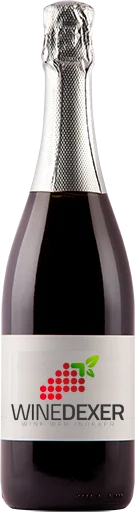
Winery Cantine Bergamaschi 1909Lambrusco del Garibaldino
 Sparkling wine


This wine generally goes well with pork, poultry or rich fish (salmon, tuna etc).

Food and wine pairings with Lambrusco del Garibaldino
Pairings that work perfectly with Lambrusco del Garibaldino



Original food and wine pairings with Lambrusco del Garibaldino


The Lambrusco del Garibaldino of Winery Cantine Bergamaschi 1909 matches generally quite well with dishes of pork, rich fish (salmon, tuna etc) or mature and hard cheese such as recipes of pork colombo, skate with capers or sunday night savoury pie (leftover).
Details and technical informations about Winery Cantine Bergamaschi 1909's Lambrusco del Garibaldino.
Discover the grape variety: Gaglioppo
Structured, warm reds with a ruby robe evolving towards garnet, firm tannins and moderate acidity, with aromas of black cherry preserve, plum, fig, Mediterranean herbs (oregano, rosemary), spice, leather and balsamic notes. Ample palate, good ageing. Absolute star of Cirò DOC on the Ionian coast of Calabria (one of Europe's oldest vineyards, celebrated since Antiquity). Autochthonous Calabrian variety, a natural descendant of Sangiovese × Mantonico Bianco.
Last vintages of this wine
The best vintages of Lambrusco del Garibaldino from Winery Cantine Bergamaschi 1909 are 0
Informations about the Winery Cantine Bergamaschi 1909
The Winery Cantine Bergamaschi 1909 is one of of the world's greatest estates. It offers 14 wines for sale in the of Emilia-Romagna to come and discover on site or to buy online.

The wine region of Emilia-Romagna
Kingdom of Lambrusco: fresh, fruity sparkling reds (blackberry, cherry, violet), from gourmet dry to convivial off-dry, perfect with local charcuterie. World's best-selling sparkling wine on the Emilia side (Sorbara, Grasparossa, Salamino). East, Romagna: supple fruity Sangiovese, Albana (Italy's 1st white DOCG, 1987) ample and almondy. Also red Gutturnio and white Pignoletto.
The word of the wine: Champagne rosé
Often obtained by adding red wines (from Champagne), it is even the only vineyard where this practice is allowed. Some producers prefer the practice used in other regions, i.e. a short maceration to extract sufficient colouring matter. This results in winey rosés for meals. Elegant aperitif rosé is more often made from red wine coloured Chardonnay. Rosés can be vintage or non vintage.