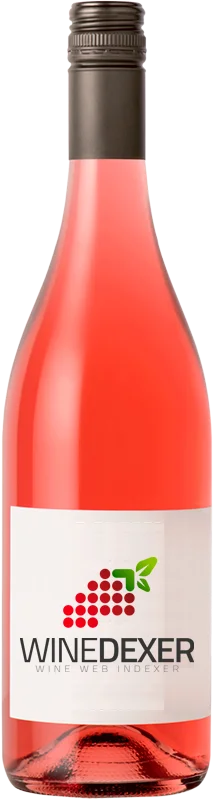
Bodega A16Civit 757 Malbec Rosé
 Pink wine


This wine generally goes well with poultry, beef or mature and hard cheese.
Food and wine pairings with Civit 757 Malbec Rosé
Pairings that work perfectly with Civit 757 Malbec Rosé



Original food and wine pairings with Civit 757 Malbec Rosé

The Civit 757 Malbec Rosé of Bodega A16 matches generally quite well with dishes of beef, spicy food or mature and hard cheese such as recipes of fricandeaux german style, vegetarian paella or my godmother's sausage salad.
Details and technical informations about Bodega A16's Civit 757 Malbec Rosé.
Discover the grape variety: Malbec
Malbec, a high-yielding red grape variety, produces tannic and colourful wines. It is produced in different wine-growing regions and changes its name according to the grape variety. Called Auxerrois in Cahors, Malbec in Bordeaux, it is also known as Côt. 6,000 hectares of the Malbec grape are grown in France (in decline since the 1950s). Malbec is also very successful in Argentina. The country has become the world's leading producer of Malbec and offers wines with great potential.
Last vintages of this wine
The best vintages of Civit 757 Malbec Rosé from Bodega A16 are 0, 2017
Informations about the Bodega A16
The Bodega A16 is one of of the world's great estates. It offers 25 wines for sale in the of Mendoza to come and discover on site or to buy online.

The wine region of Mendoza
Mendoza is by far the largest wine region in Argentina. Located on a high-altitude plateau at the edge of the Andes Mountains, the province is responsible for roughly 70 percent of the country's annual wine production. The French Grape variety Malbec has its New World home in the vineyards of Mendoza, producing red wines of great concentration and intensity. The province Lies on the western edge of Argentina, across the Andes Mountains from Chile.
The word of the wine: Disgorging (champagne)
This is the evacuation of the deposit formed by the yeasts during the second fermentation in the bottle, by opening the bottle. The missing volume is completed with the liqueur de dosage - a mixture of wine and cane sugar - before the final cork is placed. For some years now, some producers have been replacing this sugar with rectified concentrated musts (concentrated grape juice) which give excellent results. A too recent dosage (less than three months) harms the gustatory harmony of the champagne.