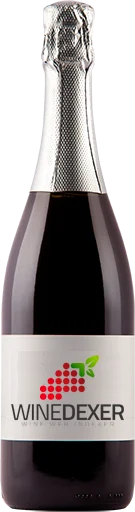
Winery André BeaufortBrut Nature Rosé Millésimé Champagne
 Sparkling wine


In the mouth this sparkling wine is a powerful with a nice vivacity and a fine and pleasant bubble.
This wine generally goes well with pork, rich fish (salmon, tuna etc) or shellfish.

Taste structure of the Brut Nature Rosé Millésimé Champagne from the Winery André Beaufort
Light | Bold | |
Soft | Acidic | |
Gentle | Fizzy |
In the mouth the Brut Nature Rosé Millésimé Champagne of Winery André Beaufort in the region of Champagne is a powerful with a nice vivacity and a fine and pleasant bubble.
Wine flavors and olphactive analysis




On the nose the Brut Nature Rosé Millésimé Champagne of Winery André Beaufort in the region of Champagne often reveals types of flavors of tree fruit.
Food and wine pairings with Brut Nature Rosé Millésimé Champagne
Pairings that work perfectly with Brut Nature Rosé Millésimé Champagne



Original food and wine pairings with Brut Nature Rosé Millésimé Champagne
The Brut Nature Rosé Millésimé Champagne of Winery André Beaufort matches generally quite well with dishes of pork, rich fish (salmon, tuna etc) or shellfish such as recipes of homemade pork curry, light tuna-tomato quiche (without cream) or my chef's pot.
Details and technical informations about Winery André Beaufort's Brut Nature Rosé Millésimé Champagne.
Discover the grape variety: Pederna
Crisp, taut dry whites with a pale golden colour and green highlights, a lean palate and cutting acidity showing lime, green apple, white flowers and saline Atlantic mineral notes. A perfect, refreshing profile for seafood. A component of Minho Vinho Verde wines, also used in blends from north-west Portugal. The Portuguese synonym of Arinto, a high-acidity autochthonous white variety.
Last vintages of this wine

The best vintages of Brut Nature Rosé Millésimé Champagne from Winery André Beaufort are 2002, 2008, 2010, 2007
Informations about the Winery André Beaufort
The Winery André Beaufort is one of of the world's greatest estates. It offers 26 wines for sale in the of Champagne to come and discover on site or to buy online.

The wine region of Champagne
World benchmark sparkling wines: fine bubbles, citrusy tension, notes of brioche, toasted almond, white flowers and white-fleshed fruits after ageing on lees. Three grapes blended or solo: fleshy Pinot Noir (38%), fruity Meunier (33%), chiselled Chardonnay (28%). From straight Blanc de Blancs to vinous Blanc de Noirs, from non-vintage Brut to age-worthy Millésimé. AOC since 1927, 34,300 ha on chalk, 17 Grands Crus and 44 Premiers Crus.
The word of the wine: Part
Name of the barrel used in Burgundy (capacity of 228 litres).