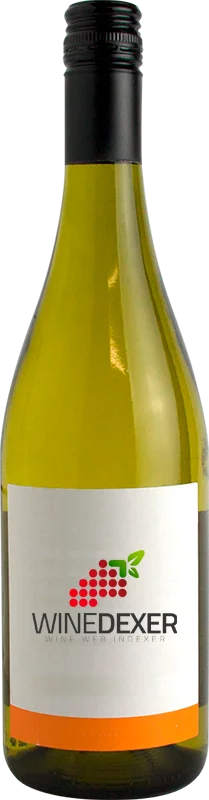
50th Parallel EstateBlanc de Noir
 White wine


This wine generally goes well with pork, poultry or veal.

Wine flavors and olphactive analysis




On the nose the Blanc de Noir of 50th Parallel Estate in the region of British Columbia often reveals types of flavors of earth, microbio or oak and sometimes also flavors of red fruit.
Food and wine pairings with Blanc de Noir
Pairings that work perfectly with Blanc de Noir



Original food and wine pairings with Blanc de Noir


The Blanc de Noir of 50th Parallel Estate matches generally quite well with dishes of veal, pork or game (deer, venison) such as recipes of veal chop normandy style, endive frichti or duck legs with green olives.
Details and technical informations about 50th Parallel Estate's Blanc de Noir.
Discover the grape variety: Pinot noir
Elegant reds, light in colour with silky tannins, showing strawberry, cherry and raspberry aromas, evolving to forest floor, mushroom and spice with age. Fresh acidity, delicate finish. Star of the Côte d'Or (Romanée-Conti, Chambertin, Volnay), pillar of Champagne (Blanc de Noirs) and signature of Oregon, Central Otago and Sonoma Coast. An early-ripening Burgundian variety, one of the world's greatest.
Last vintages of this wine
The best vintages of Blanc de Noir from 50th Parallel Estate are 2017, 0
Informations about the 50th Parallel Estate
The 50th Parallel Estate is one of of the world's greatest estates. It offers 11 wines for sale in the of British Columbia to come and discover on site or to buy online.

The wine region of British Columbia
Canada's west-coast benchmark, wine heartland in the Okanagan Valley. Semi-desert continental climate, marked temperature swings: signature Pinot Gris (pear, honey, spice, round palate), fresh, fine Pinot Noir (cherry, undergrowth), precise Chardonnay and taut Riesling in the north. Hot south for dense Cabernet Sauvignon, round Merlot and peppery Syrah. Also exceptional Icewine (Vidal, Riesling).
The word of the wine: Farm
Wine dominated by a strong acidity and/or biting tannins. In this case, the components of the wine need to melt, i.e. to harmonize during the maturation in the cellar.