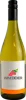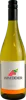
Winery DohlmühleSauvignon Blanc Spätlese Trocken
 White wine
In the mouth this white wine is a with a nice freshness.
This wine generally goes well with vegetarian, shellfish or goat cheese.

Taste structure of the Sauvignon Blanc Spätlese Trocken from the Winery Dohlmühle
Light | Bold | |
Dry | Sweet | |
Soft | Acidic |
In the mouth the Sauvignon Blanc Spätlese Trocken of Winery Dohlmühle in the region of Rheinhessen is a with a nice freshness.
Food and wine pairings with Sauvignon Blanc Spätlese Trocken
Pairings that work perfectly with Sauvignon Blanc Spätlese Trocken



Original food and wine pairings with Sauvignon Blanc Spätlese Trocken
The Sauvignon Blanc Spätlese Trocken of Winery Dohlmühle matches generally quite well with dishes of shellfish, vegetarian or goat cheese such as recipes of mussels carbonara, broccoli and blue cheese quiche without pastry or goat's cheese, pepper, tomato and bacon tart.
Details and technical informations about Winery Dohlmühle's Sauvignon Blanc Spätlese Trocken.
Discover the grape variety: Cortese
Lively, structured whites with firm acidity and a slender mouth, featuring aromas of citrus (lemon, grapefruit), green apple, white flowers, fresh almond and chalky mineral notes. Typically saline finish. The absolute star of Gavi DOCG (Cortese di Gavi), one of Italy's great whites, also made as sparkling wines and aged cuvées. Present in Colli Tortonesi DOC and Lombardy. Native Piedmontese grape from the southeast, with a long tradition of noble whites.
Informations about the Winery Dohlmühle
The Winery Dohlmühle is one of of the world's greatest estates. It offers 40 wines for sale in the of Rheinhessen to come and discover on site or to buy online.

The wine region of Rheinhessen
71% white region: Riesling is king (5,000 ha), dry to off-dry, ripe yellow fruit, apple, citrus and fine saline minerality. Supple, floral Müller-Thurgau for everyday, the world's largest Silvaner plantation with herbaceous, straight notes. Historic cradle of off-sweet Liebfraumilch. Some supple reds (Dornfelder, Spätburgunder).
The word of the wine: Disorder
Said of a wine that is not clear due to the presence of colloidal suspensions that prevent the passage of light.